Gardening as therapy is the use of gardening, from sowing seeds to simply sitting among plants, to support mental and physical wellbeing. It’s sometimes called horticultural therapy or social and therapeutic horticulture, and it ranges from guided sessions run by trained practitioners to the quiet ritual of watering a window box before work.
It matters because so much of it is within reach. You don’t need an allotment, a greenhouse or years of experience. A pot of herbs on a sunny sill can give you something to care for, a reason to step outside, and a small, steady rhythm in the day. Many people find that rhythm calming, and that’s what keeps them coming back.
I’ve seen it in my own garden. Pricking out seedlings on a grey morning does something to my mood that a cup of tea alone never quite manages. It’s not a cure for anything, and it doesn’t replace professional care, but it can sit alongside it very comfortably.
In this guide, I’ll explain how gardening may help, the different forms it takes, and who tends to benefit. I’ll also show you how to try it yourself, whether through a local group, a charity such as Thrive, or a few pots at home.
What Gardening as Therapy Actually Means
When I say “gardening as therapy,” I mean using plants and green spaces on purpose to look after your wellbeing. It might be a few pots on a step or a whole allotment. The point is that you’re tending something living, partly for the calm it brings you.
I think of it as a therapeutic practice rather than a treatment. That’s an important difference. Plenty of us garden because it settles us, and nobody’s handed us a plan or a diagnosis. After a hectic week, I’ll slip outside “just to water the pots” and come back in forty minutes later, shoulders down, with no memory of what I was worrying about.
Some of the terms get muddled, so here’s a quick glossary:
- Gardening as therapy
- An informal, everyday approach where you garden to support your mood and wellbeing, in your own time and your own way.
- Horticultural therapy
- A structured programme led by trained practitioners, using gardening activities to work towards specific goals for an individual or group.
- Social and therapeutic horticulture
- Group-based growing that uses plants and gardens to support health and wellbeing, often run by charities and community projects.
- Green care
- An umbrella term for activities in natural settings, such as gardening, farming and woodland time, that aim to support wellbeing.
- Mindfulness in the garden
- Paying gentle, unhurried attention to what you’re doing, such as the feel of soil or the scent of a leaf, rather than rushing through the job.
So the “my garden is my happy place” kind of gardening sits at one end, and guided programmes with trained professionals sit at the other. Both are valid. Many people find time with plants calming and helpful, but it works best as a companion to professional care, not a replacement for it.
How a Few Minutes with Plants Can Lift Your Mood
The Body: Movement, Daylight and Fresh Air
Gardening gets you moving without ever feeling like exercise. Digging a bed, pulling weeds, hauling a watering can: it’s all gentle activity, and it adds up. I notice it most on days I’ve been stuck at a desk. Twenty minutes with a trowel and my shoulders drop, my breathing slows, and I feel properly tired in a good way.
Then there’s the daylight and fresh air, which do quiet work in the background. Being outside, even on a grey morning, helps many people feel more awake and settled, and it’s part of why Gardening reduces mental health issues is a finding researchers keep returning to. If you’re curious how the elements play into this, there’s more on weather and wellbeing too.
None of this needs strength or stamina. Use a raised bed, a long-handled tool, a kneeler or a chair, and take it in short bursts.
The Mind: Attention, Routine and Small Wins
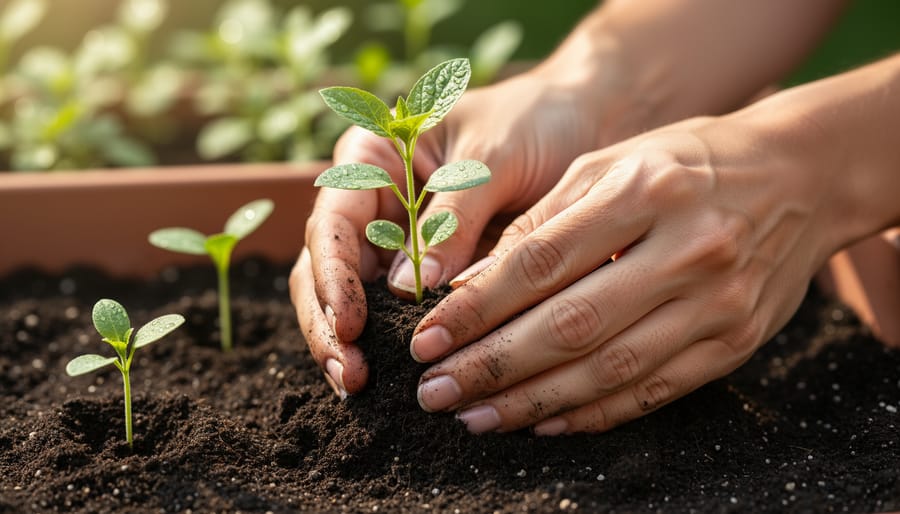
When I’m sowing a tray of seeds, there’s only room for the next tiny task: firm the compost, space the seeds, label the tray. Many gardeners describe the same thing, a kind of absorbed focus that gives busy thoughts a rest.
Routine seems to matter too. Watering the pots each morning gives the day a gentle anchor, and checking on a seedling you’ve nurtured for a fortnight brings a quiet sense of purpose. Small wins add up: a first true leaf, a pea shoot reaching for its cane, a flower where there was only a bud.
None of this is guaranteed, and it won’t suit everyone every day. But plenty of people tell me those modest rhythms leave them feeling a little steadier.
Different Ways to Garden for Wellbeing
Gardening at Home, Big or Small
You don’t need acres to garden for your head. Some of my calmest moments have come from a single windowsill of herbs: a pot of mint, a leggy basil, a rosemary I’ve nearly killed twice. Brushing a leaf and catching the scent is a small reset, and it takes about ten seconds.
If you’ve got a balcony, a few containers by the back door are plenty. Pots are forgiving, easy to move, and you can tend them in a spare five minutes with a cuppa in hand. If you’ve got a border, even better. Mine is crammed with salvias, and watching the bees work through them on a slow afternoon does me more good than I can easily explain.
Keep it low-pressure. Nobody’s marking your work. Pick plants you actually like, let a few things fail, and treat the whole thing as time for you rather than a project to perfect.
Allotments, Community Plots and Guided Horticultural Therapy
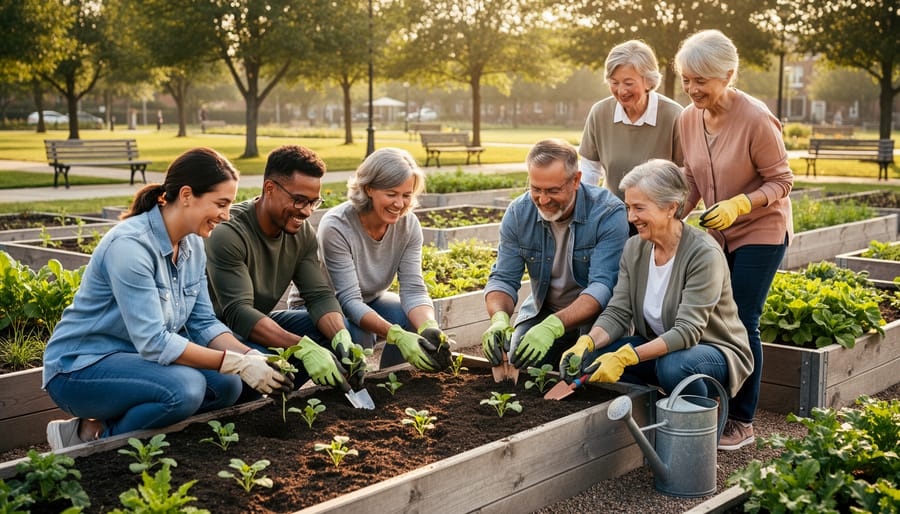
If you fancy growing alongside other people, an allotment or community plot is a lovely place to start. There’s something about sharing a hose, swapping spare seedlings and chatting over a flask of tea that makes the work feel lighter. Many plots are tended by groups, so you can join in without carrying the whole responsibility yourself, and learning the rhythm of gardening by seasons is far easier when neighbours share what works on your local soil.
Guided horticultural therapy is a different thing. These are structured sessions led by trained practitioners, often for people who would like gentle, supported time with plants. The charity Thrive is a well-known UK provider of social and therapeutic horticulture, and its website is a good place to look. Your council, local library or GP surgery may also know of nearby groups, so it’s worth asking rather than assuming what’s available.
Before you commit, a few questions help:
– How often does the group meet, and can I drop in first to see how it feels?
– Who leads the sessions, and what training do they have?
– Is there any cost, and is equipment provided?
– Are tasks adaptable for different energy levels or mobility?
A trial visit costs you nothing, and the right group should feel welcoming from the first cup of tea.
Putting Gardening Therapy to Work in Your Own Life
Easy, Forgiving Plants to Start With
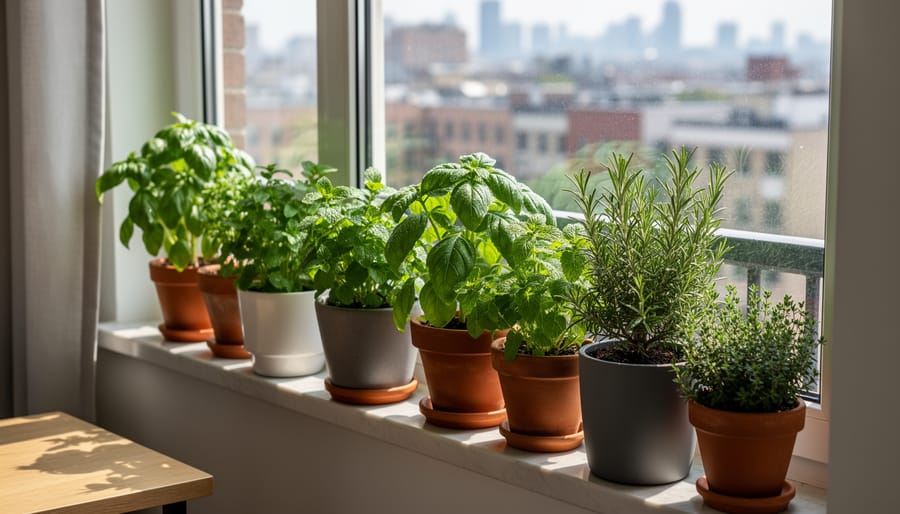
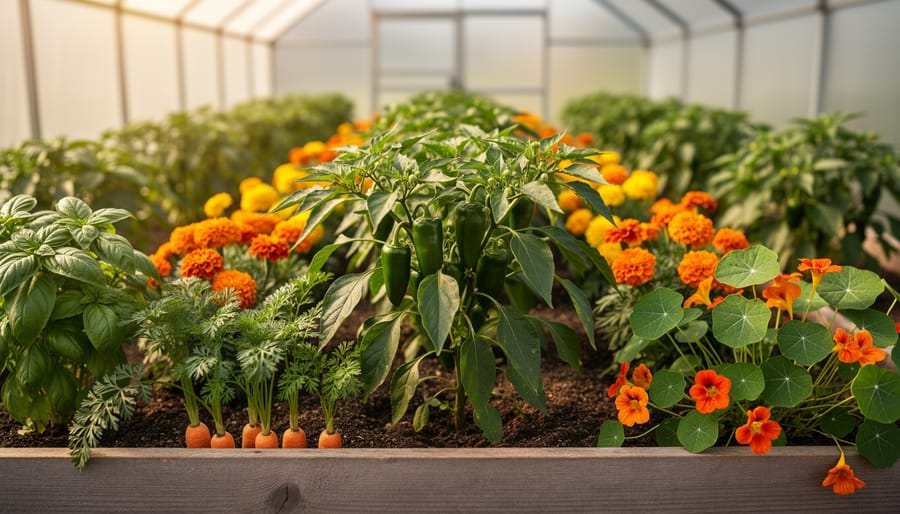
If you’re new to all this, pick plants that reward you quickly and forgive a missed watering. Herbs like mint, chives and parsley are a good place to begin. They thrive in pots, and brushing past them releases scent that many people find lifts the mood. Salad leaves are just as generous: sow a tray on the windowsill and you’ll often be snipping a first harvest within a few weeks, which is a lovely small win if you want to grow your own food without much space.
Sweet peas bring fragrance and climb eagerly, so the progress is easy to see. Salvias are tough, loved by bees and happy in sun. Try tucking herbs beside them as a simple taste of companion planting. Gardeners are a varied bunch, though, so treat these as starting suggestions and follow whatever you enjoy tending.
Common Questions About Gardening as Therapy
Do I need a garden to try gardening as therapy?
Not at all. A windowsill of herbs, a few pots on a balcony or a shared community plot can all give you the same gentle routine of tending something. Start with whatever space you have and let it grow from there.
Can gardening help with stress and low mood?
Many people find the fresh air, steady rhythm and small wins calming, and research suggests time among plants can support wellbeing. It’s a helpful companion to professional care, not a substitute, so do talk to your GP if you’re struggling.
Is it the same as horticultural therapy?
Not quite. Horticultural therapy is a structured programme led by trained practitioners with specific goals, while gardening as therapy is the everyday version you can do on your own, at your own pace.
What if I’m not good at it?
Honestly, that’s fine. I’ve killed more plants than I care to admit, and the benefit comes from showing up, not from a perfect border. Forgiving choices like herbs and salad leaves make a lovely starting point.
Finding a local group is easier than you might think. Try your council’s website, nearby allotment societies, or community gardens, and look at the Thrive charity for social and therapeutic horticulture. Before joining, ask what a typical session involves and whether tasks can be adapted to your energy and mobility.
Once you’re settled into a routine, you might even bring a little of your garden indoors. Choosing the right plants for sleep is one way to carry that calm into your evenings.
When I think about gardening as a therapeutic practice, what stays with me isn’t a perfect border or a bumper harvest. It’s the ordinary moments of simply turning up: watering the pots, pulling a few weeds, noticing the first sweet pea tendril reaching for its cane. Those small visits add up, and many people find they leave them feeling a little calmer.
So start small this week. Five minutes with a windowsill herb counts. Skip the pressure to get it right; plants are wonderfully forgiving.
I’d love to hear how you get on. Share your own garden stories or projects with Great Gardens UK, whether it’s a balcony of tomatoes or a neglected plot you’re slowly winning back.
And if you’re struggling, please do talk to your GP or a professional alongside your time with plants. The garden can be a gentle companion, but it works best as one part of the support around you.