Weather and gardening describes the dynamic relationship between atmospheric conditions and successful plant cultivation, influencing not only what thrives in your plot but also how you feel while tending it. Understanding this connection transforms unpredictable British weather from a frustration into a gardening ally, provided you learn to read the signs and adapt your approach accordingly.
I’ll never forget the June morning in 2019 when an unexpected cold snap blackened my runner bean seedlings overnight. Standing in my Buckinghamshire garden, staring at what had been vibrant green stems now turned to mush, I realised I’d been gardening against the weather rather than with it. That expensive lesson taught me something no book could: weather isn’t the backdrop to gardening but the conductor of the entire symphony.
The British climate brings gardeners a peculiar gift. Our maritime weather delivers unpredictability, certainly, but it also offers variety that Mediterranean or continental gardeners rarely experience. Rain softens our soil and delivers nitrogen. Overcast days protect transplants from scorching. Even frost serves a purpose, breaking down heavy clay and killing overwintering pests.
But weather affects more than soil and seeds. Emerging research confirms what gardeners have always sensed: our wellbeing in the garden shifts with atmospheric pressure, humidity, and light levels. A crisp autumn morning energises differently than a muggy August afternoon, and both influence whether we finish that weeding or abandon it halfway.
This guide unpacks how specific weather patterns shape gardening decisions and personal health outdoors. You’ll discover which conditions favour particular tasks, how to protect plants and yourself during extremes, and practical strategies for working productively whatever the sky delivers. The goal isn’t controlling the weather but partnering with it, turning forecasts into actionable garden plans throughout the year.
What Weather Really Means for Your Garden and Wellbeing
I learned to truly read weather the year my tomatoes drowned in July. Not from rain, from my stubborn refusal to believe that three days of steady drizzle meant anything other than “a bit wet.” That summer taught me that weather in gardening isn’t just checking whether you’ll need a coat. It’s understanding the intricate dance between atmospheric conditions, plant biology, and your own body’s response to being outdoors through all of it.
When we talk about weather in a gardening context, we’re describing the short-term atmospheric conditions that directly shape what grows, when you can work outside, and how you feel whilst doing it. It encompasses temperature swings, precipitation patterns, wind exposure, humidity levels, and light quality, all of which influence both your plants’ survival and your own physical comfort. A crisp October morning that invigorates your mood creates different possibilities than a muggy August afternoon that leaves you drained before you’ve weeded half a bed.
- Microclimate
- The specific weather conditions in a small area of your garden that differ from the broader regional climate. Understanding your microclimates helps you position plants for success and choose comfortable working spots throughout the seasons.
- Hardiness Zones
- Geographic classifications based on average annual minimum temperatures, guiding which plants will survive winter in your area. These zones directly affect the timing and duration of your outdoor physical activity across the year.
- Frost Dates
- The average dates of the last spring frost and first autumn frost in your region. These markers shape your entire growing schedule and influence when you’ll be most active outdoors.
- Growing Degree Days
- A measure of accumulated warmth over time used to predict plant development stages. Tracking these helps you anticipate garden tasks and plan sustained outdoor engagement.
The sun-facing wall by my shed creates a pocket ten degrees warmer than the open bed three metres away. That difference means earlier salads in spring, which means I’m outside digging in March instead of staring glumly through the window. Weather’s influence on health through gardening flows through these granular, hyperlocal patterns as much as the broad forecast that says “partly cloudy.”
How Weather Shapes Your Gardening Experience and Health
The Physical Health Connection
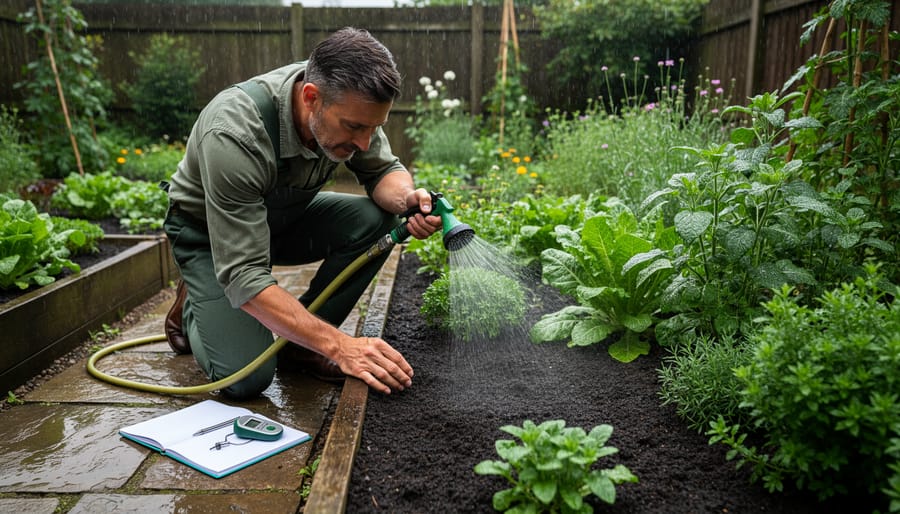
After a bout of bronchitis left me wheezing at the slightest exertion, my GP suggested gentle outdoor activity. I started with ten minutes of deadheading in mild April sunshine, and within weeks I’d rebuilt stamina I thought I’d lost for good. That experience taught me what research now confirms: weather doesn’t just determine when we garden, it shapes how gardening rebuilds our physical health.
Sunshine is your garden’s pharmacy. Twenty minutes of spring or autumn sun exposure while pruning or weeding triggers vitamin D synthesis in your skin, supporting bone density and immune response. Even overcast days deliver some ultraviolet penetration, though you’ll need longer sessions for the same benefit. I noticed fewer winter colds once I committed to outdoor tasks year-round, even brief ones.
Temperature governs intensity. Mild conditions, that sweet spot between 12°C and 22°C, invite sustained digging, raking, or bed preparation that elevates heart rate and builds cardiovascular fitness without overwhelming your system. Studies show extreme temperatures reduce outdoor activity so I’ve learned to respect the thermometer: light weeding during summer heat, brisk composting in winter chill, and save the heavy fork work for those temperate shoulder seasons.
Your body adapts beautifully when you match tasks to conditions. Cold air sharpens circulation as your system works to maintain core temperature during winter pruning. Summer’s warmth loosens stiff joints, perfect for stretching into those awkward rose deadheads. Weather variety isn’t an obstacle, it’s a training programme your garden designs for you.
The Mental and Emotional Pathway
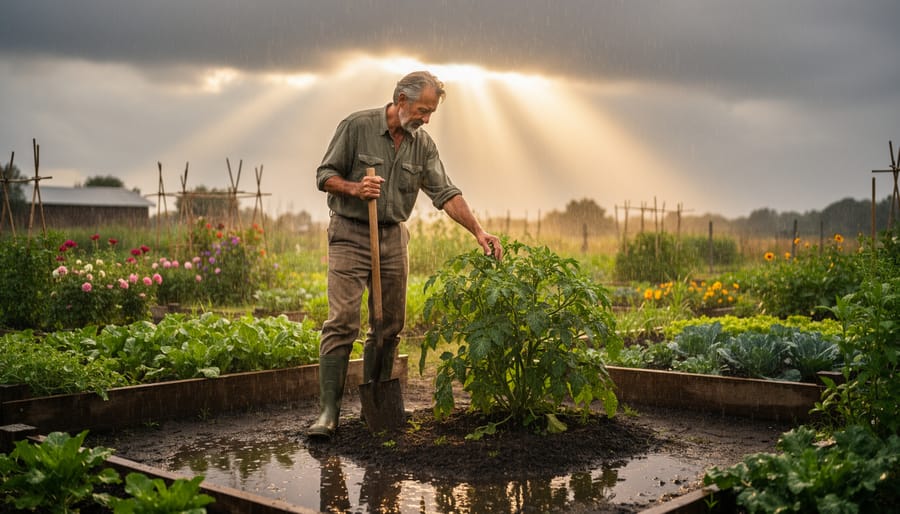
I hadn’t expected a stretch of drizzly October mornings to teach me about my own emotional patterns, but there I was, noticing how my mood shifted alongside the changing light. The garden became my mirror, when grey skies persisted, I found myself making excuses to stay indoors, and my spirits dampened along with the soil.
This connection runs deeper than simple preference for sunshine. Seasonal light patterns directly influence our brain chemistry, affecting everything from sleep cycles to emotional regulation. The shorter, darker days of autumn and winter can trigger genuine mood changes, something clinicians recognize in conditions like seasonal affective disorder overview. But I’ve learned that gardening offers a counterbalance, the act of working with these seasonal shifts, rather than resisting them, creates its own form of emotional grounding.
What surprised me most was discovering the mindfulness hiding in weather observation itself. Checking the forecast became less about planning control and more about anticipation, even curiosity. Will today’s warmth coax out the late roses? Is that northwest wind bringing the first proper frost? These small acts of attention anchor you in the present moment.
Adapting my tasks to match conditions, deadheading in drizzle, contemplative weeding on cool mornings, energetic digging when crisp air invigorates, turned weather from obstacle into collaborator. My motivation stopped depending on perfect conditions and started flowing from whatever the day offered.
Different Weather Patterns and Their Gardening-Health Effects
Fair Weather Gardening
Those perfect June mornings when sunshine spills across the borders and the air sits at exactly 18°C, that’s when I understand why fair weather gardening feels almost addictive. Your body responds immediately: vitamin D production kicks in within fifteen minutes of sun exposure, lifting mood and supporting bone health while you deadhead roses or weed the vegetable patch.
I’ve learned the hard way that these glorious days require restraint. One particularly enthusiastic Saturday, I spent six hours straight in full sun without proper protection, ending with painful burns and exhaustion that kept me indoors for days. Now I work in two-hour blocks, wear a wide-brimmed hat, and keep water nearby.
The sustained outdoor activity possible in mild weather builds cardiovascular fitness gradually. Unlike winter’s brief forays, you can complete entire projects, planting out a whole bed, building raised frames, or properly mulching paths, without your hands going numb or rain interrupting. Your heart rate stays elevated gently for hours, exactly the sustained moderate exercise that strengthens heart health.
The mood lift from fair weather gardening compounds throughout the day. Serotonin levels rise with sun exposure, physical satisfaction from visible progress adds to it, and the evening brings that pleasant tiredness that guarantees deep sleep.
Wet and Overcast Days
I used to dread those long stretches of drizzly mornings when the sky hung low and heavy. My initial instinct was to stay indoors, waiting for “proper” gardening weather. But I’ve learned that some of my most restorative garden moments happen when mist settles over the beds and rain drums softly on leaves.
There’s something deeply calming about working in gentle rain. The world quietens. Birds still forage nearby, unbothered. I find myself moving more deliberately, focusing on tasks that suit the conditions rather than fighting them. Weeding becomes almost meditative when soil is soft and roots release easily. Deadheading spent blooms, checking plant ties, or simply observing which seedlings have emerged overnight, these lighter activities keep me connected without demanding the physical exertion of sunny-day digging.
The key is dressing properly and choosing your timing. A good waterproof jacket and wellies transform a damp morning into an opportunity rather than an obstacle. I aim for thirty minutes during lighter spells, enough to feel the cool air on my face and engage my hands in something purposeful. This regular contact, even when brief, prevents the withdrawal that can creep in during grey weeks. Missing too many days creates a disconnection that affects both garden health and my own mood, making it harder to return when conditions improve.
Cold Season Strategies
I used to dread winter in the garden, viewing it as a dead season better spent indoors. That changed one January morning when I forced myself outside to tackle an overgrown rose bed. The cold air hit my lungs like a tonic, sharper and more clarifying than any caffeine. Within twenty minutes of pruning, I felt more alert and energized than I had in weeks of indoor lethargy.
Winter gardening offers benefits you won’t find in warmer months. The crisp air increases oxygen uptake, giving your cardiovascular system a gentle workout without the strain of summer heat. The low winter sun, when it appears, provides crucial vitamin D while protecting you from overexposure. There’s something deeply satisfying about purposeful outdoor work when most people are huddled inside.
The key is brief, focused sessions. I now spend thirty to forty-five minutes on tasks like pruning, planning next season’s layouts while walking the beds, or clearing debris. Layer properly, keep moving, and retreat before you’re uncomfortable. This approach maintains your connection with the garden while building cold-weather resilience, and the planning time gives your mind space to process and reflect in ways the busy growing season never allows.
Practical Ways to Use Weather Awareness for Better Health Through Gardening
Building a Weather-Responsive Gardening Routine
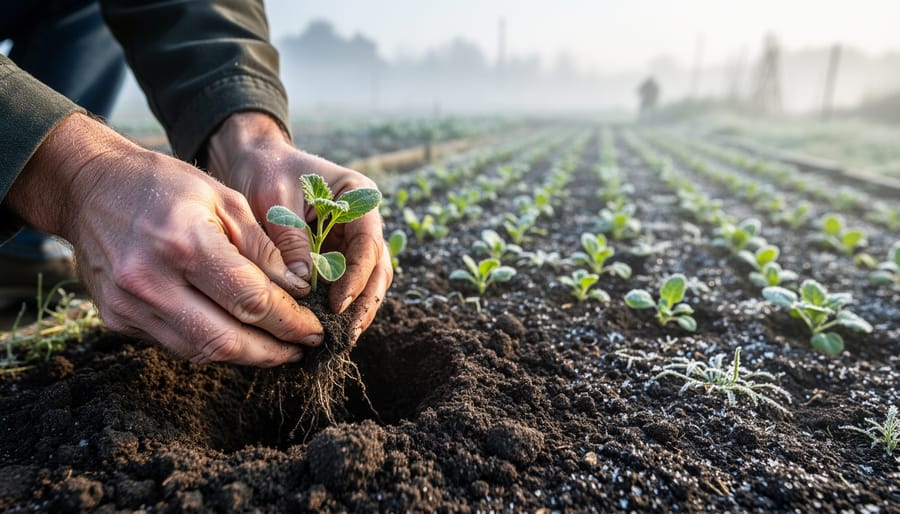
I learned the hard way that fighting the weather calendar wastes energy you could spend actually gardening. Three years ago, I’d stubbornly stick to my Saturday morning garden routine regardless of whether it was pouring rain or scorching hot. My body ached, my enthusiasm dwindled, and honestly, the garden didn’t benefit much from my forced efforts.
Now I check the three-day forecast every Sunday evening and sketch out a loose plan that plays to each day’s strengths. Sunny Tuesday morning? Perfect for heavy digging or spreading compost when I’ll feel energized by the warmth. Drizzly Wednesday forecast? I’ll shift my attention to greenhouse potting or seed starting under cover. My energy levels naturally align with what the weather invites rather than what my rigid schedule demands.
I keep three simple task lists: fair weather jobs requiring sustained physical effort, overcast-day tasks for gentler work, and indoor preparation activities for truly miserable conditions. When Wednesday arrives grey and damp, I don’t feel defeated, I feel ready with alternatives that still connect me to my garden.
Garden coach Sarah Pemberton told me something that changed my approach entirely: “The most sustainable gardening routines breathe with the seasons and the week’s weather. Flexibility isn’t lack of commitment, it’s intelligent self-care that keeps you gardening for decades, not just months.”
That breathing rhythm has made all the difference to both my garden’s health and my own.
Creating All-Weather Garden Opportunities
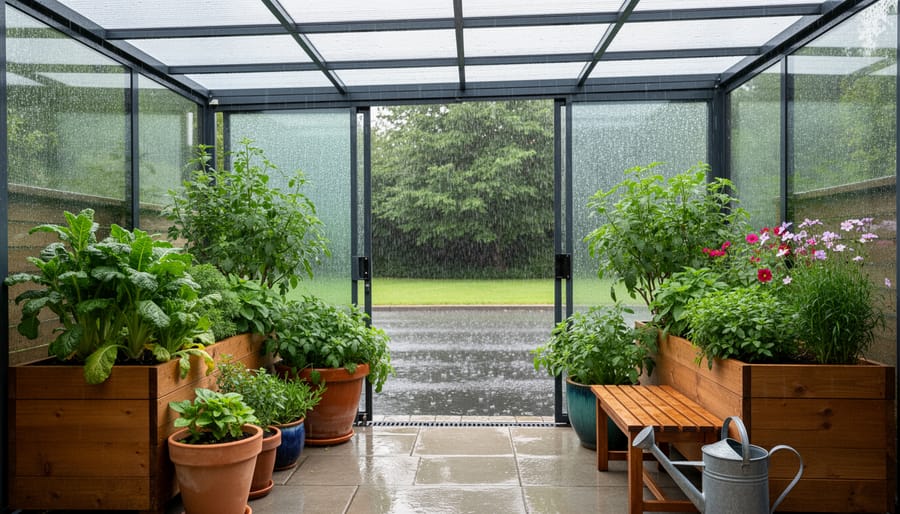
I spent three years avoiding my garden whenever rain threatened, until one particularly soggy autumn when I realized I was missing weeks of potential growing time. That’s when I decided to transform the space into somewhere I’d actually want to be, regardless of what the sky was doing.
The potting shed came first, a modest 8×6 structure tucked against the north fence. It changed everything. Suddenly I could pot up seedlings while rain drummed on the roof, clean tools during drizzle, and even enjoy a thermos of tea watching winter storms roll through. The investment paid for itself in reclaimed gardening hours within the first year.
Permanent paths made the next biggest difference. I laid gravel walkways connecting key areas, which meant I could inspect plants after heavy rain without trudging through mud. These paths became my winter exercise circuit too, a brisk loop around the garden on crisp mornings got my blood moving without requiring any actual gardening tasks.
I grouped containers near the back door under a simple lean-to canopy. This cluster of pots needs attention year-round, and having weather protection means I can tend them in a quick coat rather than full waterproofs. Salad leaves, herbs, and early bulbs all thrive there, giving me something productive to nurture even when the main beds lie dormant.
Creating these all-weather touchpoints hasn’t just extended my growing season, it’s kept me connected to the garden through every mood the British weather throws at us.
Common Questions About Weather, Gardening, and Health
Over the years, readers have shared countless questions about balancing their garden ambitions with the UK’s famously unpredictable weather and their own wellbeing needs. These concerns often surface in autumn when motivation dips or during prolonged grey spells when the garden feels like a chore rather than a sanctuary.
The questions reveal a common thread: gardeners want to maintain their connection with the soil without compromising their health or losing heart when conditions turn challenging. I’ve learned through trial and plenty of error that understanding the practical boundaries makes all the difference.
How much sun exposure do I need while gardening for health benefits?
Aim for 10-30 minutes of midday sun on exposed skin (face, arms) several times weekly during spring and summer months to support vitamin D production. In winter, any outdoor light exposure helps regulate circadian rhythms, even on overcast days.
Can I garden safely in light rain?
Light rain presents no health risk with proper waterproof clothing and poses minimal danger for most garden tasks. The exception involves electrical tools or working near overhead power lines, which should always wait for dry conditions.
What if prolonged bad weather makes me avoid the garden entirely?
Even five minutes outdoors checking plants or refilling bird feeders maintains your connection and provides mood benefits. Setting a minimum threshold of brief daily contact prevents the complete disconnection that makes returning feel overwhelming.
How can I garden year-round for consistent health benefits?
Create tasks appropriate to each season rather than trying to maintain summer intensity. Winter offers planning, tool maintenance, and brief inspections while dressed warmly, providing continuity without overexposure to harsh conditions.
Does weather genuinely affect the mental health benefits I get from gardening?
Weather influences how you garden but not whether it benefits your mental health. Adapting your approach to conditions actually deepens mindfulness and resilience, though sunny days do provide an additional mood lift through increased light exposure.
One reader recently told me she’d stopped gardening entirely each November, then struggled to restart in spring, feeling she’d lost months of wellbeing benefits. We discussed how even winter’s coldest weeks offer opportunities for bundled-up deadheading or simply standing outside with morning coffee, observing changes in bare branches. She later reported that maintaining this minimal contact transformed her seasonal experience.
The key lies in releasing the expectation that every garden session requires productivity or perfect conditions. Some days, witnessing how your hellebores handle frost or feeling drizzle on your face while pulling a few weeds constitutes enough.
I spent years fighting the weather in my garden, checking forecasts with dread and cursing every unexpected downpour or cold snap. My turning point came during a particularly wet autumn when I finally stopped resisting and started observing instead. I noticed how the gentle rain brought out earthworms that enriched my soil, how the cooler temperatures eased the ache in my knees during weeding, and how the soft grey light created a peaceful backdrop for contemplative pruning work. My garden responded to this shift in approach, and so did I.
When you start seeing weather as your gardening partner rather than an obstacle, something fundamental changes. You stop waiting for perfect conditions and start finding the unique gifts in each day. Bright sunshine invites energetic digging and vitamin D absorption. Drizzle creates ideal transplanting conditions and a meditative rhythm. Even frost brings the satisfaction of winter planning and the anticipation of spring renewal.
Your garden becomes a living weather journal, teaching you to read the sky, feel the wind’s direction, and notice temperature shifts in your own body. These observations don’t just make you a better gardener; they reconnect you with natural rhythms that genuinely improve your wellbeing.
I’d love to hear how weather shapes your gardening experience and health. What weather surprises have taught you the most valuable lessons?