Gardening Explained is a free weekly online gardening series from Garden Masterclass, the project started by Annie Guilfoyle and Noel Kingsbury. It runs every Thursday at 18.00 London time, and for anyone starting out, it’s one of the friendliest ways I know to learn how to garden without spending a penny.
It began in 2017. In April 2020 it went global and online, with a free broadcast every afternoon for two months. Recorded sessions go to a YouTube channel, so you can catch up whenever suits you. Missed a Thursday? No problem.
I think this matters because beginning gardening can feel like a wall of unfamiliar words and conflicting advice. Do you dig or don’t you? Feed or leave well alone? A good, steady source of guidance takes the panic out of those first few months, and it lets you watch how experienced gardeners actually think.
This article walks through what Gardening Explained is, how the Thursday sessions work, and the core ideas every new gardener needs to grasp first, from soil and light to timing and plant choice. I’ll share a few moments from my own early mistakes along the way, and I’ll bring in the thinking of people who’ve spent decades getting their hands dirty. By the end, you’ll have a clear, calm route into your first season.
What Gardening Explained Means for Beginners
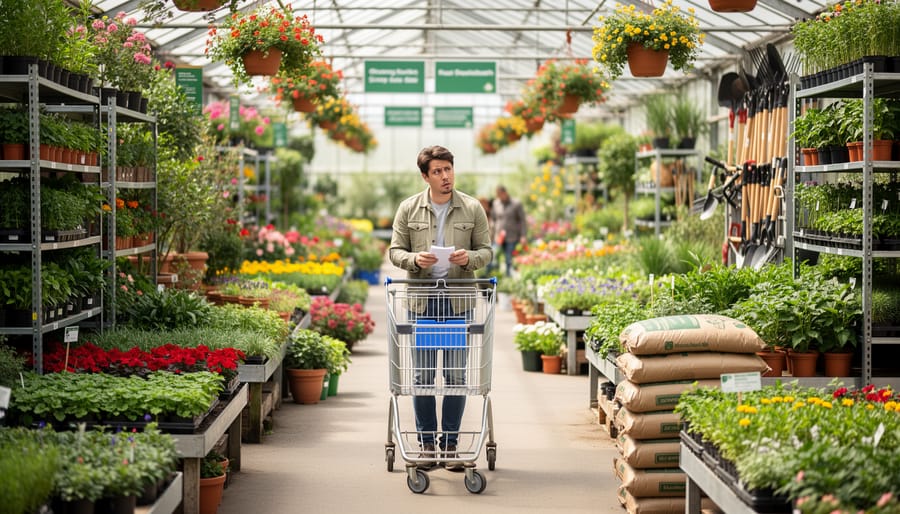
Gardening Explained is exactly what it sounds like: gardening broken down into small, clear pieces, with no prior knowledge assumed. Nobody is expected to know what “hardy” means or why anyone bothers with mulch. You start where you are and build from there.
It’s for anyone who has stood in front of a patch of soil wondering where on earth to begin. But it isn’t only for novices. Plenty of experienced growers drop in for a fresh idea or a different way of doing something they’ve done the same way for twenty years. The best learning spaces have both sets of people in them.
Why does a conversational, jargon-free approach matter so much? Because the language of gardening can feel like a members’ club. Once someone translates it into plain English, the whole thing stops feeling intimidating.
I wish I’d had that earlier. Before anyone explained things properly to me, I planted a sun-loving shrub in deep shade, drowned a pot of herbs out of sheer enthusiasm, and pulled up what I later discovered were perfectly good perennials, mistaking them for weeds. Every one of those mistakes came down to a word or idea I’d never had explained.
So here’s a quick glossary of the terms that tripped me up:
- Soil structure
- How the particles in your soil clump together, which decides how well it drains and holds air and moisture.
- Hardy vs half-hardy
- Hardy plants cope with a typical British winter outdoors, while half-hardy ones need protection from frost.
- Perennial vs annual
- Perennials come back year after year, whereas annuals grow, flower and die within a single season.
- Mulch
- A layer of material such as bark or compost spread over the soil to keep moisture in and weeds down.
- Deadheading
- Snipping off spent flowers so the plant puts its energy into producing more blooms rather than seed.
- Compost
- Rotted-down plant matter that feeds the soil and improves its texture.
Master those few ideas and half the confusing advice you’ll read suddenly makes sense.
How Gardening Explained Works: Garden Masterclass and the Thursday Sessions
I’ll admit it: for years, my gardening education came from half-remembered tips and the occasional panicked search. That’s why the weekly rhythm of Garden Masterclass appeals to me so much. Here’s how it works.
The sessions are free and held online, so there’s no travel, no ticket and no kit list. You simply join the Thursday sessions at 18:00 London time. Missed one? Recorded sessions go to a YouTube channel, so you can catch up whenever suits you, perhaps with a cuppa and a notebook.
The story behind it is lovely. Started in 2017 by Annie Guilfoyle and Noel Kingsbury, Garden Masterclass grew from a shared wish to make good gardening knowledge easier to reach. In April 2020, things went global and online with a free broadcast every afternoon for two months, a Daily online broadcast in April 2020 that brought gardeners together when many of us were stuck at home with nothing but our own patch. The next couple of years then included events in Ireland, France and The Netherlands.
So why do I think a fixed weekly slot suits busy beginners? Because gardening is a habit as much as a skill. A regular date gives you a small anchor in the week, and it nudges you to look at your own plot with fresh eyes afterwards. One hour on a Thursday evening can shape what you do over the weekend, whether that’s tidying a border or deciding to start a kitchen garden on a sunny windowsill.
It also helps you tune into the year. Over a few months of dipping in, you naturally pick up the rhythm of gardening by seasons without ever feeling you’re cramming for an exam.
Have you tried the sessions, or learned in another way that worked for you? I’d love to hear about your experiences, the good, the muddy and the mildly disastrous.
Core Building Blocks Every Beginner Gardener Needs to Understand
Reading Your Plot: Light, Soil and Aspect
I once planted a gorgeous lavender right beside the back fence, because it looked tidy there. It sulked for a whole summer. That spot sat in shade most of the day, and lavender wants sun and sharp drainage. Lesson learned: look at your plot before you buy anything.
Start with aspect, which simply means which way your garden faces. Stand with your back to the house and use a compass app on your phone. A south-facing garden gets the most sun, while a north-facing one stays cooler and shadier. East and west fall somewhere in between.
Next, watch the light. Pop out at breakfast, lunchtime and teatime, and note where the sun lands. Six or more hours of direct sun counts as full sun. Around four hours is partial shade, and less than that is shade. Don’t forget that walls, fences and trees move the shadows around.
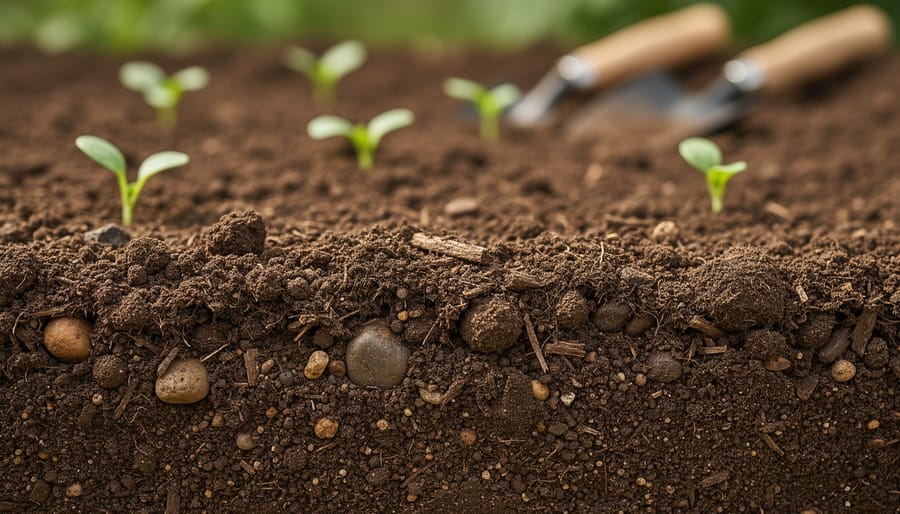
Now for the soil. Grab a handful of damp (not soggy) earth and squeeze it. If it forms a sticky, shiny ball that holds its shape, you have clay. If it feels gritty and falls apart, it’s sandy. If it crumbles gently but holds together briefly, congratulations, that’s lovely loam.
Whatever you find, there’s a way forward. Poor soil is no reason to stop: you can build a raised bed and fill it with good compost, or try container gardening on a sunny patio. And the time you spend observing isn’t wasted; it’s a gentle first taste of gardening as therapy.
Choosing Plants That Forgive Beginners
My first veg patch was a graveyard of fussy seedlings, so now I start every beginner with plants that shrug off a bit of neglect.
Salvias are my absolute favourites. They’re tough, they flower for months, and bees adore them. Many are perennials, which simply means they come back year after year rather than dying off after one season. Add hardy perennials like hardy geraniums or catmint, and you’ve got colour with very little fuss. “Hardy” just means a plant can cope with a typical British winter outdoors without protection.
Annuals are the opposite rhythm. They grow, flower, set seed and finish within a single year. Sunflowers and cosmos are cheerful, cheap and quick, which makes them brilliant for a beginner’s first taste of success. Treat them as a bonus rather than the backbone of your plot.
If you’d like something to eat, start small. Salad leaves can be ready in a few weeks, and cut-and-come-again varieties keep giving after you’ve harvested them. Herbs such as chives, mint and parsley thrive in pots, though pop the mint in its own container because it spreads like wildfire.
Pick three or four of these, give them a spot that suits the light, and let them build your confidence.
Water, Feed and Seasonal Timing
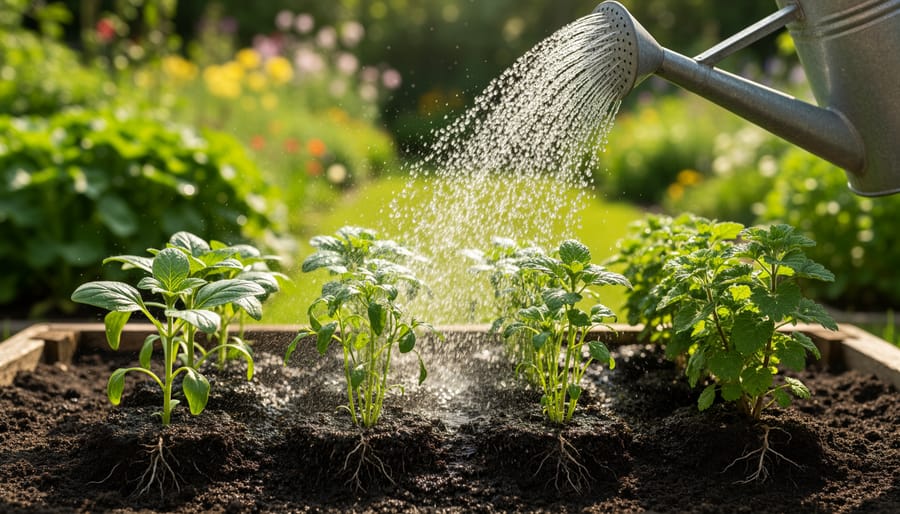
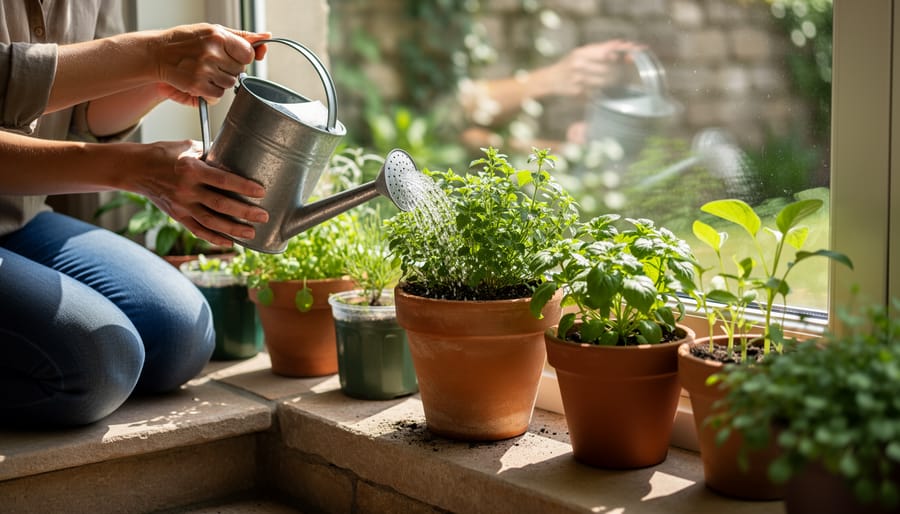
Watering is where most beginners go wrong, and I was no exception. I used to give my pots a quick sprinkle every evening, which sounds kind but only wets the top inch. Plants need a proper soak less often, so the roots head downwards in search of moisture and become far tougher. Morning is best, before the heat of the day steals most of it.
Feeding is similar. More isn’t better. Most garden soil holds plenty for a first year, so save the feed for pots and hungry crops like tomatoes, and follow the instructions on the packet rather than guessing.
Then there’s timing. The UK growing calendar roughly runs on the seasons. Spring is for sowing and planting once the risk of hard frost has passed, summer is for watering and enjoying, autumn suits planting hardy things and tidying, and winter is a quiet time for planning and pruning dormant shrubs. Local weather varies wildly, so watch your own garden rather than the calendar. A single cold snap taught me that lesson on a row of tender seedlings.
How Beginners Put Gardening Explained Into Practice

Watching is the easy part. The magic happens when you take what you’ve learned out to the garden, and the trick is doing it in small, manageable bites.
Here’s how I’d approach it. Catch a session live on a Thursday at 18.00 London time, or save it for later, because the recorded sessions go to a YouTube channel. Keep a notebook beside you, and jot down just one or two things that make you think, “I could try that.” Pausing a recording to scribble a note or look out of the window at your own plot is a real advantage. And if a term trips you up, write it down and look it up afterwards. Nobody is marking you.
Then comes the golden rule: one small project at a time. A few ideas that suit beginners:
– A first container garden. A couple of pots by the back door, filled with herbs or salad leaves, is plenty.
– A small veg patch. Even a single raised bed or a sunny corner teaches you more than a whole season of reading.
– A pollinator border. A strip of flowers that bees and butterflies love, with salvias a favourite of mine, gives you colour and a buzzing garden.
My own first win was embarrassingly modest. I sowed a pot of cut-and-come-again lettuce on a windowsill, watered it faithfully, and a couple of weeks later I was snipping leaves for a sandwich. I’m not exaggerating when I say I felt like I’d won an award. That tiny success did more for my confidence than any amount of theory.
There’s a quieter benefit too. Time among plants slows you down. Pottering with a trowel, feeling the soil, watching things change from week to week, it’s a lovely way to switch off and a real boost for your wellbeing.
Finally, ask questions. If you could sit down with an experienced grower for a short Q&A, I’d ask them just one thing: “What do you wish you’d known when you started?” I suspect you’d hear the same answers again and again. Start small, be patient, and don’t be afraid of the odd failure.
Gardening Explained: Your Questions Answered
Whenever I chat to new gardeners, the same handful of questions crop up. Here are the ones I hear most, answered as plainly as I can.
What is Garden Masterclass?
Garden Masterclass is the online gardening learning series behind the Thursday sessions, started by Annie Guilfoyle and Noel Kingsbury. It began in 2017 and is held online, so you can join from your own kitchen table.
How often does it run, and what time?
The sessions run every Thursday at 18.00 London time. If you can’t make it live, recorded sessions go to a YouTube channel, so you can catch up whenever suits you.
Is it free?
Yes, it’s free. That makes it an easy, no-risk way to dip a toe in before you spend a penny on tools or plants.
When did Garden Masterclass start?
It started in 2017. In April 2020 it went global and online with a free broadcast every afternoon for two months, and the following couple of years included events in Ireland, France and The Netherlands.
Do I need a big garden to begin?
Not at all. A windowsill of herbs, a few pots on a balcony or a single raised bed is plenty to learn the basics of light, watering and timing.
One more thing I’d add from my own plot: the best time to start is usually whenever you’re feeling curious, rather than waiting for the “perfect” moment. Start small, pick something forgiving, and let the garden teach you the rest. Got a question that isn’t covered here? I’d love to hear it.
I still think about that first afternoon, staring at a patch of bare soil with no idea where to begin. Here’s the thing I wish someone had told me then: everyone starts somewhere, and nobody was born knowing what a perennial is.
You don’t need a big plot or a shed full of kit. Pick one small project this week. Sow a pot of salad leaves, plant a single salvia, or simply watch where the sun falls across your garden through the day. That’s a real start, and it counts.
If you’d like some company along the way, remember the Thursday sessions are free and recorded, so you can learn at your own pace.
I’d love to hear how you get on. Tell me about your first project, your muddy mishaps, or the question that’s been nagging you. And if you’ve got an idea for working together, my door is always open. Get in touch and let’s keep the conversation growing.