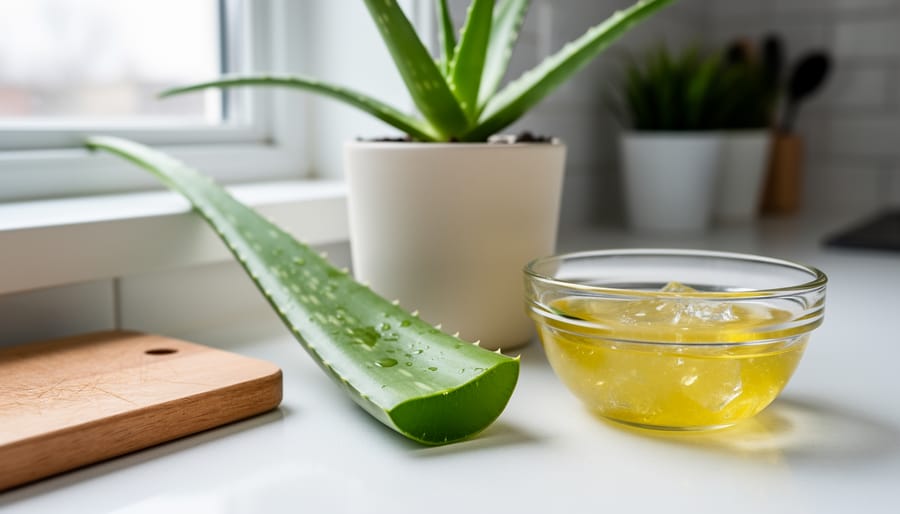
Last autumn, I transformed my bedroom into a botanical sanctuary and finally cracked the code on deep, restorative sleep. The secret lies in three evidence-backed elements: strategically chosen air-purifying plants, light-blocking window treatments paired with natural morning cues, and temperature regulation through ventilation and fabric choices. Within a fortnight of implementing these changes, I was falling asleep 20 minutes faster and waking naturally before my alarm, something I hadn’t managed in years.
The connection between gardening and health extends far beyond the outdoor plot. Your bedroom can become a carefully cultivated microclimate that works with your body’s circadian rhythms rather than against them. During a conversation with sleep researcher Dr. Helena Morris at the Royal Horticultural Society’s wellness symposium earlier this year, she explained how bedroom conditions directly influence melatonin production and core body temperature, two critical factors governing sleep quality.
Most of us focus on mattresses and pillows whilst overlooking the environment itself. I spent years in that trap, investing hundreds in bedding whilst sleeping in a room that was too warm, too bright, and frankly, too sterile. The garden-inspired approach I’ve developed combines horticultural principles with sleep science, using plants not as decorative afterthoughts but as functional tools that filter air, regulate humidity, and create psychological calm.
This guide walks you through the complete transformation process, from selecting the right botanical allies to arranging your space for optimal air flow and darkness.
What You’ll Need to Create Your Sleep-Optimizing Garden Bedroom
I started assembling my sleep-garden toolkit after a particularly restless fortnight left me desperate for solutions. What surprised me most was how many of the essentials I already had tucked away in my potting shed or could find during a Saturday morning wander through my local garden centre in Hampshire.
The foundation of your bedroom sanctuary begins with the right plants and their homes. You’ll need three to five specimens chosen for their sleep-enhancing properties: lavender for its proven calming scent, a snake plant or two for overnight oxygen production, and jasmine if you can provide enough light. I keep mine in terracotta pots with drainage saucers, they breathe better than plastic and manage moisture more forgivingly when you’re still learning each plant’s preferences.
Your essential supplies break down into four categories:
- Plants and containers: air-purifying varieties, terracotta or ceramic pots with drainage, quality potting compost, pebbles for drainage layers
- Bedroom textiles: organic cotton sheets and pillowcases, linen duvet cover, wool blanket, natural fiber rug
- Lighting equipment: small grow light for winter months (optional but helpful), blackout curtains in natural fabric, amber-toned bedside lamp
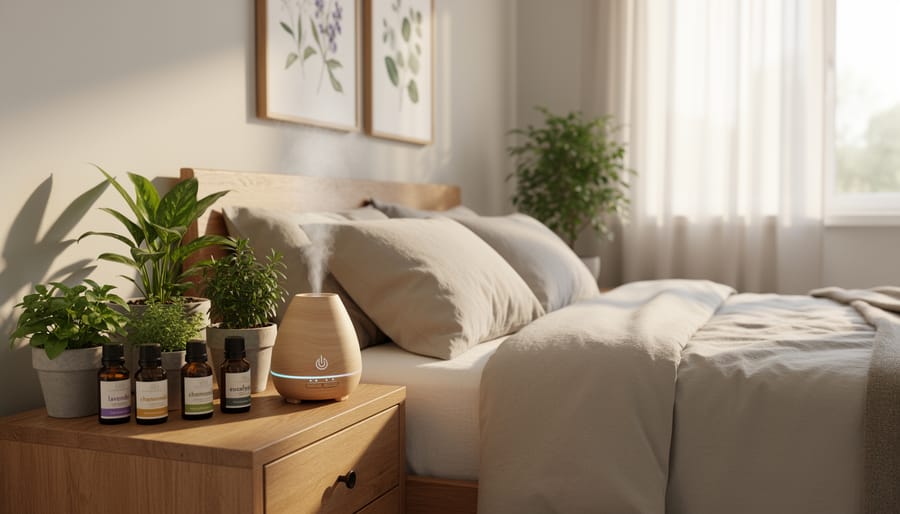
- Aromatherapy supplies: dried lavender bundles, small spray bottle for misting, essential oil diffuser (ceramic or glass, not plastic)
Beyond these basics, gather standard plant care tools: a small watering can with a narrow spout, pruning scissors, a moisture meter if you’re prone to overwatering, and a soft cloth for dusting leaves.
Most UK garden centres stock everything on this list, though I’ve found the best selection of sleep-friendly plants at specialist nurseries rather than big-box retailers. For natural bedding, I’ve had excellent results with The White Company and Soak & Sleep, both offering organic options that won’t break the bank. Budget around £150 to £200 for a complete setup, less if you’re propagating plants you already own or shopping second-hand for wooden furniture pieces.
Important Safety Considerations Before You Begin
Before I transformed my bedroom into a sleep sanctuary, I learned several important lessons the hard way. The first came when my cat developed a sudden cough after I’d placed a beautiful peace lily on my bedside table. That frantic midnight trip to the vet taught me that not all plants belong in sleeping spaces.
The oxygen question comes up constantly, and I’ll address it plainly: healthy plants in normal quantities pose no risk to bedroom oxygen levels. Dr. Sarah Mitchell, a horticultural therapist I interviewed for my research, confirmed that “the amount of carbon dioxide released by bedroom plants at night is negligible compared to what humans exhale. You’d need a jungle to notice any impact.” That said, avoid overcrowding, three to five plants in an average bedroom strikes the right balance.
Mold presents a more genuine concern, particularly in our damp British climate. Overwatering creates perfect conditions for fungal growth in soil and on leaves, which can trigger respiratory issues and allergies. I now check soil moisture with my finger before watering and ensure pots have drainage holes. If you’re prone to allergies, skip flowering plants like jasmine during bloom periods and stick with foliage varieties.
Ventilation matters too. I crack a window slightly each evening, even in winter, to maintain air circulation around my plants. This prevents the stagnant, humid conditions that both you and your plants will struggle with, creating a fresher environment that genuinely supports rest rather than compromising it.
Step-by-Step: Building Your Sleep-Friendly Garden Environment
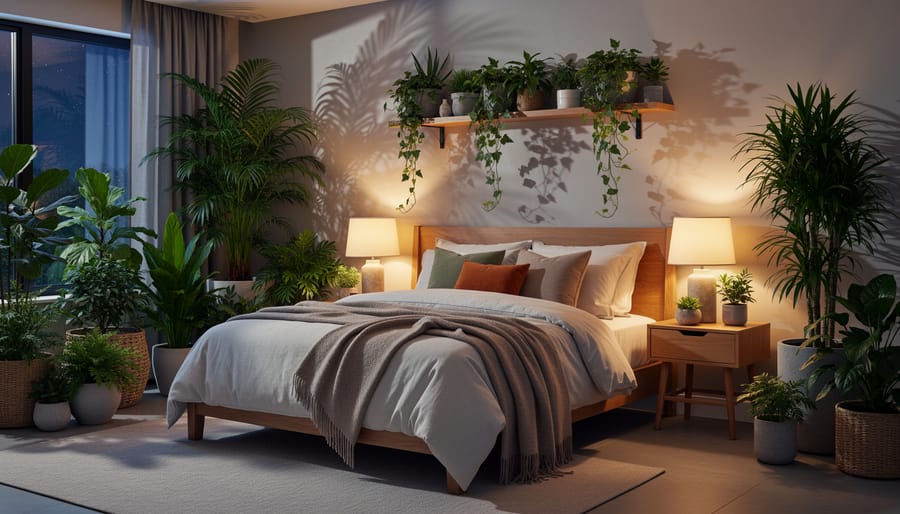
Step 1: Assess Your Bedroom’s Growing Conditions
Just as I learned to read my allotment before planting a single seed, your bedroom demands the same careful assessment. I spent years ignoring this step, wondering why my “foolproof” lavender kept wilting on my nightstand, until a visiting gardener friend walked into my room and immediately pointed out three problems I’d overlooked.
Start by observing your bedroom’s light through a full day. Does morning sun flood in, or do you face north into perpetual dimness? Use your phone’s light meter app (I rely on Photone) or simply note whether you can read comfortably at midday without electric light. South-facing rooms handle sun-loving jasmine brilliantly, whilst a north-facing space suits shade-tolerant snake plants perfectly.
Next, check humidity and temperature. My bedroom typically sits at 16-18°C overnight, ideal for sleep but challenging for tropical plants. A basic hygrometer reveals whether you’re running dry (below 40% humidity) or damp (above 60%). Most sleep-friendly plants prefer the 40-50% range, which coincidentally matches optimal breathing comfort.
Finally, assess air movement. Stand still and notice drafts from windows or radiators. Plants hate temperature swings as much as you do when trying to sleep. That corner beside the radiator? Utterly hopeless for anything living, as I discovered with three crispy specimens.
Step 2: Select and Position Your Sleep-Enhancing Plants
I learned this the hard way after spending weeks wondering why my beautiful fiddle-leaf fig wasn’t helping my sleep, I’d placed it at the foot of the bed where it blocked my view of the window and became just another looming object in the dark. The right plant in the wrong spot is still the wrong choice.
Start by selecting plants proven to enhance sleep rather than those that simply look attractive. Lavender, with its sedative-scented foliage, works best when positioned close enough to catch your breath but not so near that the scent overwhelms. I keep a small potted lavender on my bedside table, about arm’s length away. Snake plants excel at nighttime oxygen production and tolerate the low light of bedrooms, making them ideal for corners that need softening. For jasmine, choose a compact variety like Jasminum polyanthum, its evening fragrance is powerfully relaxing, but the plant itself needs bright indirect light near a window.
Positioning matters as much as selection. Here’s what I’ve found works best:
- Place smaller, fragrant plants like lavender on nightstands where you’ll benefit from their scent without stretching or straining to water them
- Position taller air-purifiers like snake plants near windows where they’ll receive adequate light while creating a green buffer between you and the outside world
- Arrange medium-sized plants such as peace lilies on dressers or low shelves at eye level when lying down, creating visual calm without obstruction
- Use hanging planters for trailing pothos or spider plants above head height, keeping floor space clear while adding overhead greenery
Don’t crowd your sleeping area. Three to five well-chosen plants create a bedroom sanctuary; ten plants create a jungle that collects dust and breeds anxiety about maintenance. I started with seven and scaled back to four, immediately noticing I felt less visually overwhelmed at bedtime.
Step 3: Introduce Natural, Garden-Inspired Materials
I learned this lesson the hard way after years of purchasing bedroom textiles based solely on price and convenience. My sleep truly transformed when I began treating my bedroom like I would a garden bed, thoughtfully selecting natural materials that breathe and regulate themselves.
Start with your bedding. Organic cotton sheets and duvet covers function much like mulch in a garden, regulating temperature naturally rather than trapping heat. Linen, though pricier, wicks moisture brilliantly and softens with each wash. I replaced my synthetic pillows with wool-filled ones last spring, and the difference in temperature regulation was immediate, no more waking up overheated at 3am.
Consider wooden furniture instead of particleboard. Solid wood releases none of the off-gassing chemicals that can disrupt sleep, much like choosing untreated timber for raised beds. The subtle scent of oak or pine mirrors that grounding forest-floor aroma I’ve always loved in my garden.
Natural fiber rugs, jute, sisal, or wool, complete the transformation. They feel remarkably similar to walking barefoot through grass, creating that same earthed, calming sensation. These materials don’t hold static electricity or synthetic odors, keeping your sleep space as fresh as your greenhouse on a spring morning.
Step 4: Create a Garden-Like Sensory Environment
I hadn’t considered the sensory dimension of my garden until Sarah Chen, a biophilic design consultant I met at a Chelsea Fringe event, asked me to close my eyes in my greenhouse. “Notice the dampness on your skin, the living smell, the rustle of leaves,” she said. “Your bedroom should whisper these same cues.” That conversation transformed how I approached my sleep space.
Start with scent, the most primal sleep trigger. I hang small muslin bundles of dried lavender from my curtain rod, replaced every six weeks when the fragrance fades. On my nightstand, a ceramic dish holds rosemary sprigs I crush lightly before bed. The key is subtlety; overpowering scents disrupt sleep rather than enhance it. Harvest these herbs yourself in late morning after dew evaporates but before the sun depletes their oils.
Sound requires clever plant positioning. I’ve placed my larger pothos on the wall shared with my neighbour’s flat, its broad leaves genuinely dampen vibrations from his telly. Sarah warned me away from bedroom water features, though. “The sound of trickling water triggers bathroom associations,” she explained. “It’ll have you awake and needing the loo.”
Visually, I’ve limited my palette to greens and natural wood tones. My duvet cover features a William Morris print, those Victorian designers understood biophilia before we named it. The repetition of leaf patterns signals safety to our ancient brains, much like being sheltered in foliage once did.
Step 5: Establish a Plant Care Evening Routine
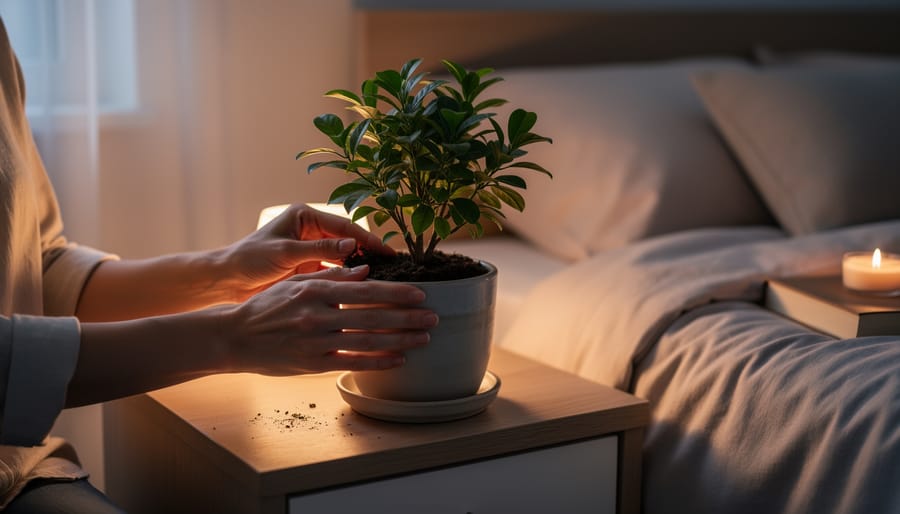
I’ve discovered that the ten minutes I spend tending my bedroom plants each evening has become the most reliable sleep cue I’ve ever had. It started almost accidentally, I’d water my lavender, check the snake plant’s leaves for dust, and gently mist my pothos, but within a fortnight, my body began recognising these actions as the prelude to sleep.
The rhythm matters more than the tasks themselves. I run my fingers along the jasmine’s stems, pinching off spent blooms and checking for new growth. The soil gets a gentle press to assess moisture. My Boston fern receives a light misting, and I’ve even incorporated a quick microgreens routine on my windowsill, harvesting a few shoots and trimming back overgrowth. These small, repetitive motions quiet my mind in ways that scrolling my phone never could.
What surprised me most was how quickly this ritual replaced my racing thoughts. My hands stay busy with purposeful, gentle work whilst my breathing naturally slows to match the careful pace. Within three weeks of establishing this evening pattern, I was falling asleep fifteen minutes faster. The plants don’t just clean my air, they give me a reason to slow down, to notice small changes, to end my day with growth rather than screens. It’s gardening’s meditative gift, condensed into a bedroom practice.
How to Know Your Sleep Garden Is Working
After a few weeks of tending your bedroom garden, you’ll start noticing whether your efforts are paying off. I remember checking my own progress obsessively at first, then realizing the signs were subtler but more meaningful than I’d expected.
The most telling indicator is how you feel when you wake. Are you rising more naturally, perhaps a few minutes before your alarm? I found myself waking refreshed rather than groggy, which felt like a small miracle after years of hitting snooze. Track your sleep onset time too, if you’re falling asleep within fifteen to twenty minutes of lying down, compared to the thirty or forty minutes it used to take, your environment is working. Keep a simple journal noting your mood each morning. When I started recording mine, the shift from “tired and irritable” to “calm and ready” was undeniable within three weeks.
Your plants themselves serve as living air quality monitors. Healthy growth, new leaves, strong stems, vibrant color, suggests your humidity and ventilation levels are balanced, which benefits you as much as them. I learned this when my snake plant produced its first new shoot; the same conditions helping it thrive were clearing my sinuses at night. Notice whether you’re breathing more easily or whether there’s less dust on your bedside table when you wipe it down.
If results aren’t immediate, don’t abandon ship. Sometimes it takes adjusting plant positions to reduce light disruption or switching to less fragrant varieties if scents prove overwhelming. Your bedroom’s needs will shift with seasonal plant care requirements too, winter may need a humidifier to compensate for heating systems, while summer might require moving certain plants away from sunny windows. Give each adjustment two weeks before evaluating, just as you would when establishing any garden.
Common Questions About Bedroom Garden Environments
I’ll never forget the evening a fellow gardener stopped me at the local nursery, asking if bedroom plants would turn her sleep space into a stuffy greenhouse. That conversation sparked countless similar exchanges, so let’s address the practical questions that come up when you chat with experts or start experimenting with bedroom plants.
Do plants really improve sleep quality?
Yes, specific plants like lavender and jasmine release compounds that promote relaxation, whilst varieties such as snake plants continue purifying air overnight. The psychological benefits of biophilic design also contribute to a calmer bedtime mindset.
How many plants do I need for noticeable benefits?
Start with two to three well-chosen plants rather than overcrowding the space. A single lavender on your bedside table combined with a snake plant in the corner often delivers better results than a cluttered jungle.
What if my bedroom has minimal natural light?
Low-light champions like snake plants, pothos, and ZZ plants thrive in dim conditions. Position them near whatever ambient light you have, even if it’s just reflected daylight from a hallway.
Will bedroom plants create excess humidity or mold problems?
Not if you water properly and ensure adequate ventilation. Allow soil to dry between waterings, use pots with drainage holes, and open windows periodically to prevent moisture buildup.
Seasonal shifts require minor adjustments. During winter, I reduce watering frequency since growth slows and evaporation decreases. Summer might call for more frequent misting, particularly if you run air conditioning that dries the air. Watch your plants rather than following rigid schedules.
For smaller bedrooms, vertical placement works brilliantly. Mount trailing pothos on floating shelves or hang planters near windows to maximize floor space. Even a studio flat can accommodate two strategically-placed plants without feeling cramped. If your plants look straggly or pale, they’re likely telling you something about light levels or watering habits. Yellow leaves often signal overwatering, whilst brown crispy edges suggest underwatering or low humidity. These same diagnostic skills you’ve honed in the garden translate perfectly to indoor spaces.
I’ll never forget the first morning I woke in my newly transformed bedroom, surrounded by plants and natural textures, feeling genuinely rested for the first time in months. That experience taught me something profound: the same patience, observation, and nurturing we bring to our gardens can revolutionize how we sleep.
You’ve spent years learning to read your garden’s needs, adjusting conditions, experimenting with varieties. Your bedroom deserves that same thoughtful attention. Start with a single lavender plant or swap one set of synthetic sheets for organic cotton. Watch what happens. Adjust. Grow from there.
The beauty of this approach isn’t just better sleep, it’s the joy of extending your gardening passion into every corner of your life. Those quiet moments misting plants before bed become as restorative as the sleep itself.
I’d genuinely love to hear how your own bedroom garden develops. What plants have you tried? Which combinations surprised you? Every gardener’s experience adds to our collective wisdom, and sleep gardens are still wonderfully uncharted territory.
Sweet dreams, and happy growing, wherever you choose to plant.