To use aloe vera from a living plant on your face, cut one mature, fat outer leaf, let the yellow sap drain away, slice out the clear inner gel, and patch test it on your inner arm before it goes anywhere near your cheeks. The whole job takes about fifteen minutes, it’s easy enough for a first-timer, and all you need is a healthy plant that’s at least a couple of years old.
Why bother when a tube sits in the bathroom cabinet? Because fresh gel is cool, light and wonderfully simple, and there’s something quietly satisfying about turning a windowsill plant into a skin treat. I started doing it after one sunny spell left my nose pink, and I’ve never looked at that spiky pot the same way since.
There are a few things worth getting right, though. The yellow sap just under the leaf skin can irritate, older leaves give the best gel, and fresh gel only keeps for a short time. If you’d like the bigger picture first, my guide to aloe uses and benefits covers what this plant does around the home.
Below, I’ll walk you through the tools, the safety checks, each step in order, and how to tell whether your skin is actually happy with it.
What You Need Before You Pick a Leaf: Tools, Materials and the Right Plant
Spotting a Leaf Worth Cutting
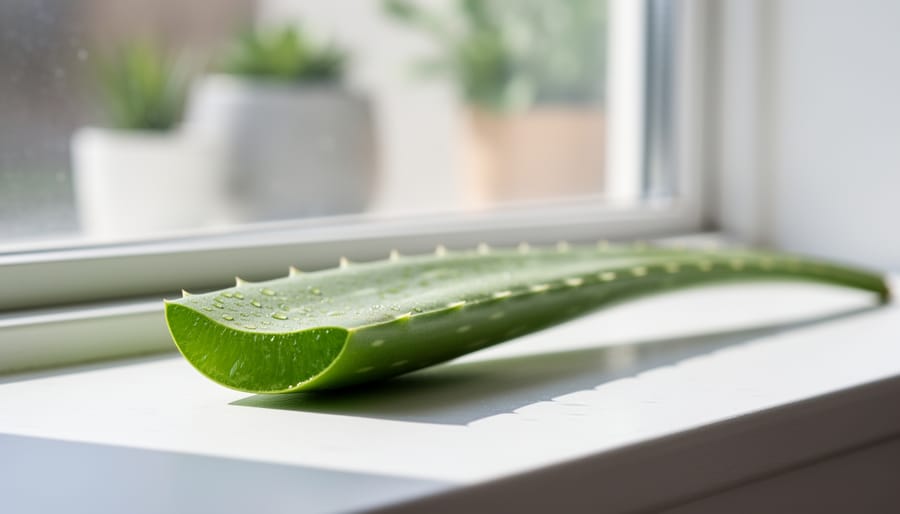
A leaf worth cutting looks plump from the moment you spot it. Run your eye over the outer leaves first, the ones growing lowest and furthest from the centre. You want them thick, firm and a touch rubbery when you give them a gentle squeeze. A thin, floppy or curling leaf holds little gel, so leave it be.
Colour matters too. Look for a healthy grey-green, perhaps with a slight dusting of bloom. Skip any leaf with brown patches, soft mushy spots, mould or sticky pest residue, such as the cottony dabs mealybugs leave behind. Those problems can end up in your gel, and you don’t want them near your face.
As for quantity, take only one or two leaves at a time, never more than a third of the plant. My aloe sulks if I get greedy, so I keep it modest and let it recover.
Before You Start: Safety Warnings and When to Stop
Fresh aloe is gentle for most people, but “natural” doesn’t mean “risk-free”. I learned that the hard way years ago when I slapped some gel on my cheek without thinking and ended up with a blotchy, itchy patch for a day. A few minutes of care up front saves all of that.
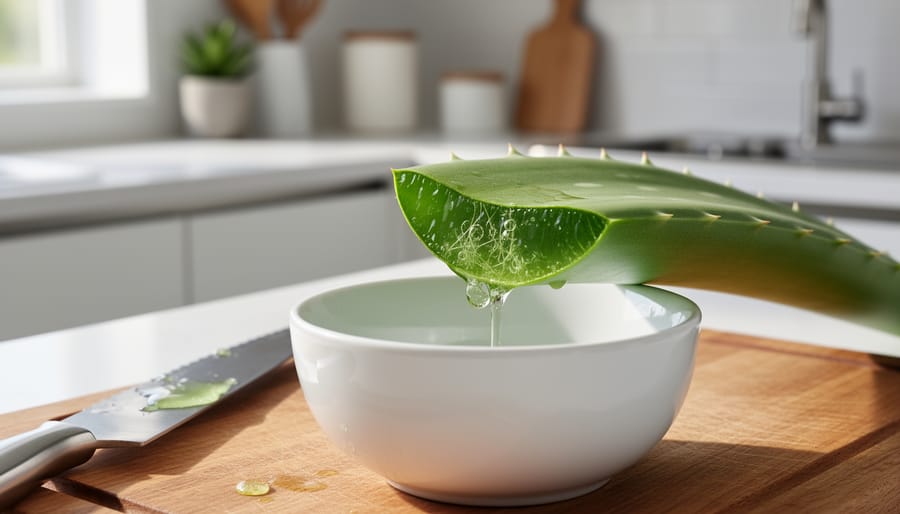
The first thing to know is about the yellow liquid just beneath the leaf’s green skin. This is the latex, which contains a compound called aloin, and it can irritate the skin. Let it drain away fully before you scoop out any gel, and rinse the clear fillet (the flat slab of gel you’re left with) so no yellow residue clings to it.
Next, patch test every single time you use a new leaf. Dab a little gel on your inner forearm or behind your ear, then wait a full 24 hours. If the skin stays calm, you’re good to go.
Stop straight away if you notice redness, itching, swelling or stinging. Rinse with cool water and leave it alone. Keep the gel away from broken, burnt or infected skin too, as it can make matters worse rather than better.
A few more cautions:
– Don’t swallow homemade gel. Eating or drinking it is a different matter from putting it on your skin, and the latex can upset your stomach.
– Speak to a GP or pharmacist first if you have eczema or rosacea, or an allergy to plants in the lily family.
– The same goes if you’re pregnant or take regular medication.
None of this means shop-bought gels are the lesser choice. Plenty of people prefer them for their consistency and added preservatives, and that’s a perfectly sensible decision. Whichever route suits you, the point is to go gently and listen to your skin.
Step-by-Step: From Leaf to Face Gel
How to Store Leftover Gel
Fresh aloe gel is a delicate thing. Because it has no preservatives, it starts to break down fairly quickly, so I only ever scoop out what I think I’ll use in the next few days.
Pop any leftovers into a clean, airtight container and keep it in the fridge. I use a small glass jar that I’ve washed in hot soapy water and dried properly. Use the gel within about a week.
If I’ve been a bit over-enthusiastic with the harvest, I freeze it instead. Spoon the gel into an ice cube tray, freeze, then transfer the cubes to a freezer bag. One cube thaws in minutes and is lovely on tired skin.
Before every use, give it a sniff and a look. If it smells sour or has turned pink, brown or cloudy, bin it and cut a fresh leaf.
Simple Ways to Use Aloe Gel on Your Face (and Pairing It With Other Garden Plants)
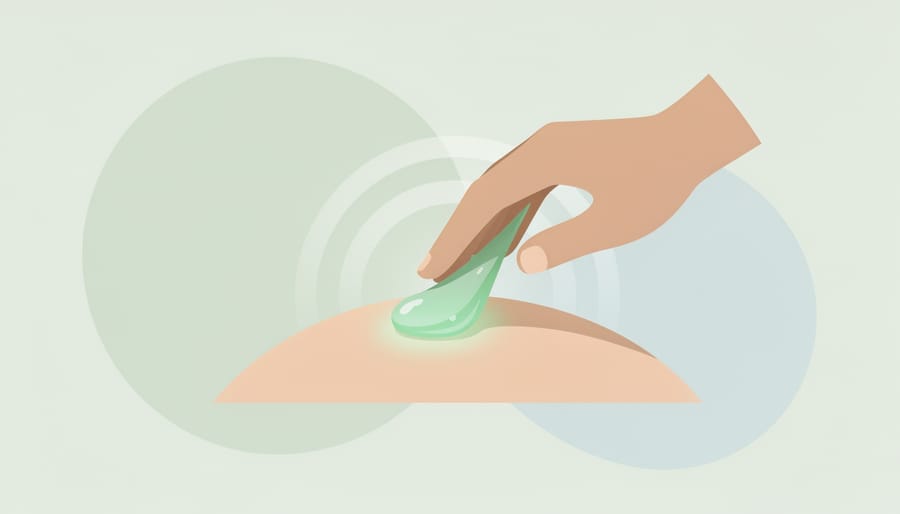
Fresh Gel vs Shop-Bought Aloe Products
Fresh gel from your own plant has a real charm. You know exactly where it came from, there’s nothing added, and you can scoop it out the moment you need it. The trade-off is a short shelf life. With no preservatives, it’s best used within about a week from the fridge, and its strength can vary from leaf to leaf.
Shop-bought gels flip that around. They’re formulated to stay stable for months, and they usually contain preservatives that keep bacteria and mould at bay. Many also include thickeners, fragrance or other extras, which can suit some skin and irritate others, so it’s worth reading the label. They’re also far more convenient on a busy morning.
I don’t see it as a contest. I keep a tube in the bathroom for everyday use and reach for a fresh leaf when I fancy something simple. Choose whichever suits your skin, your routine and your patience.
Is It Working? Checking Your Results and Next Steps
After a couple of weeks, a good response is quiet. Your skin feels calm, comfortably hydrated and a little less tight after washing. There’s no drama, which is exactly the point. I noticed my cheeks stayed less flushed after a sunny afternoon in the garden, but my skin didn’t transform, and I’d be wary of anyone promising more.
Warning signs are easy to spot: redness that lingers, itching, stinging, tiny bumps or a rash. If any appear, stop using the gel, rinse with cool water and give your skin a rest. See a pharmacist or GP if it doesn’t settle within a day or two, or sooner if swelling or blistering develops.
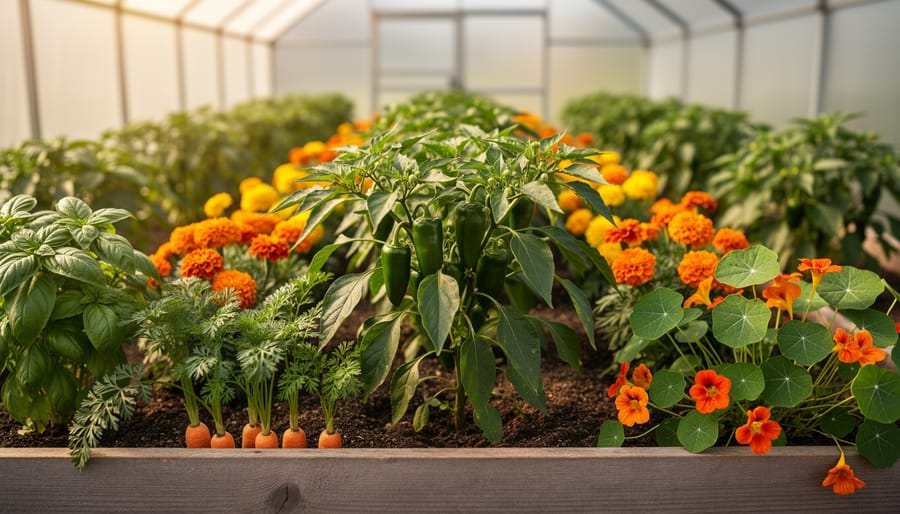
For a fair trial, use a thin layer a few times a week for about two weeks. Change only one thing at a time so you know what’s helping. If you later add a garden extra like cooled chamomile tea, treat it as a new patch test, and a bit of companion plant pairing thinking helps you add one ingredient at a time.
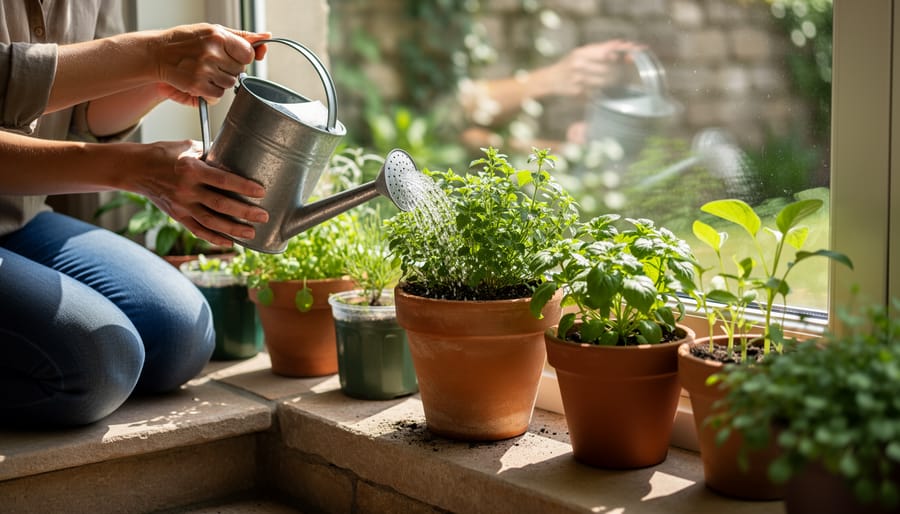
Finally, keep your plant happy so there’s always a leaf to hand. Give it a bright UK windowsill, gritty well-draining compost and water only when the soil has dried out completely. In winter, keep it away from cold glass and well clear of frost.
Aloe Vera on Your Face: Common Questions
Questions land in my inbox most weeks, so here are the ones I hear most. Keep in mind that skin changes with the seasons, and I’ve found that weather and skin health are more linked than you’d think, so what suits you in July may need tweaking by January.
Can I use fresh aloe gel on my face every day?
Many people do, in a thin layer, once the patch test has come back clear. If your skin starts to feel tight, itchy or red, cut back to a few times a week or stop altogether.
Is it safe for oily or acne-prone skin?
The gel is light and non-greasy, so lots of oily-skinned folk find it comfortable. It isn’t a treatment for acne, though, so see your GP or pharmacist if breakouts are persistent or painful.
Why is the sap yellow, and is it harmful?
That yellow liquid just under the leaf skin is latex, which contains aloin and can irritate skin. Let it drain away fully and rinse the gel before it goes anywhere near your face.
Can I use any aloe plant?
Stick to true aloe vera, Aloe barbadensis miller. Ornamental aloes look similar, but they aren’t all suitable for skin, so if you’re unsure of your plant’s identity, don’t use it.
As for growing your own, aloe is happiest on a bright windowsill in the UK. It can summer outdoors in a sheltered spot, but it won’t cope with frost, so bring it in before the cold arrives. If you’d like a refresher on timing, our seasonal care tips cover when to move plants and when to hold back on watering.
There’s something quietly rewarding about reaching for a leaf you’ve grown yourself. A single aloe on the windowsill asks very little of you, just a bright spot, a light hand with the watering, and the odd bit of attention, and in return it gives you a simple, soothing helper for your skin. For me, that’s what Using Aloe Vera and Other Plants for Everyday Needs is really about: bringing the garden into the small moments of the day.
Tending a plant, snipping a leaf, and taking a few calm minutes for your face is a lovely little ritual, and it sits neatly alongside the benefits people find in gardening as therapy. Go gently, patch test first, and enjoy it.
I’d love to hear how you get on. Share your experiences, questions and favourite plant-based remedies in the comments, or get in touch directly.