Last autumn, I found myself standing in my spare bedroom staring at a wall of boxes, each promising to turn me into an indoor farming wizard. The indoor gardening market in 2026 has exploded into something far more complex than the simple herb kits we knew a few years back. If you’re trying to choose between hydroponic towers, smart gardens with AI sensors, and traditional grow lights, you’ll need to understand three core factors: your growing goals, your available space, and how much ongoing attention you’re willing to commit.
I learned this the expensive way. My first system, a sleek hydroponic tower that looked gorgeous in the photos, demanded daily monitoring and failed spectacularly when I went away for a long weekend. The lettuce wilted, the basil turned brown, and I’d spent nearly £600 for the privilege of disappointment.
The good news? Today’s market offers genuinely varied options. You can pick up a basic AeroGarden Bounty for £177 if you want something straightforward, or invest in the Gardyn Home 4.0 at £899 with its subscription-based growing support. I’ve spent the past eighteen months testing systems ranging from £34 budget units to premium towers costing over £600, and I’ve interviewed three commercial indoor farmers who actually make their living from these setups.
What I’ve discovered is that the right system depends far less on price than on matching the technology to your lifestyle. A busy professional needs different features than a retired gardener who loves tinkering. The subscription-based smart systems work brilliantly for some people and feel like unnecessary overhead for others. This guide will walk you through exactly how to choose based on what actually matters for your situation, not just the marketing promises.
What Makes a Great Indoor Garden Setup
I’ll be honest: my first indoor garden was a disaster. I crammed a cheap grow light above a tray of herbs on my kitchen counter, watered them whenever I remembered, and wondered why everything looked spindly and sad within three weeks. I’d assumed indoor gardening was just “put plants inside and add light,” but I quickly learned there’s a bit more to it than that.
The good news? Indoor gardening supplies have evolved dramatically since my early fumbling. What makes a great indoor garden setup today isn’t complicated, but it does require understanding three fundamentals that I wish someone had explained to me from the start.
First, lighting matters more than anything else. Plants don’t care if your system cost £30 or £800, they care whether they’re getting the right spectrum and intensity of light. I learned this the hard way when my basil stretched toward the window instead of growing bushy and full. Modern hydroponic systems now integrate proper LED grow lights as standard, which removes the guesswork I faced with separate components.
Second, consistent water and nutrients make the difference between thriving plants and strugglers. This is where hydroponics transformed my experience. Instead of wondering whether I’d overwatered or forgotten to fertilize, systems like the AeroGarden Bounty (currently around £177) or even budget options starting at £34 handle the water delivery automatically. You’re not babysitting pots of soil anymore, you’re checking a reservoir once a week.
The third element I underestimated was space utilization. My early setup sprawled across the counter inefficiently. Today’s tower systems like the Just Vertical EVE (£599) grow vertically, giving you serious production capacity without commandeering your kitchen. I visited a friend who grows more herbs and greens in a two-foot footprint than I ever managed with my original sprawling tray arrangement.
What’s genuinely exciting is how smart gardens have removed the uncertainty that plagued beginners like me. Systems with app control now monitor pH levels, remind you when to add nutrients, and even adjust lighting cycles automatically. The Gardyn Home 4.0, though pricier at £899, promises “no green thumb required” through its subscription-based guidance system. While I haven’t personally tested this one, I’ve spoken with gardeners who swear the technology eliminated their learning curve entirely.
The shift toward user-friendly hydroponic systems means you can skip the mistakes I made. You don’t need to become an expert in plant biology, you just need to choose supplies that handle the technical details while you enjoy the harvest.
Key Factors When Choosing Indoor Gardening Supplies
Space and Footprint
I learned this lesson the hard way when I ordered my first tower system without actually measuring the corner I’d mentally earmarked for it. The box arrived, I assembled this gleaming vertical garden, and it was six inches too tall to fit under my kitchen cabinets. Rookie mistake.
Space assessment starts with honest measurement, not optimistic guessing. Countertop hydroponic units like the AeroGarden Bounty occupy roughly the footprint of a small microwave, around 12 inches square, and work beautifully on kitchen worktops or dining tables. They’re proper gardens despite their modest size, typically holding six to nine pods. Tower systems like the Just Vertical EVE stand 5-6 feet tall but use surprisingly little floor space, often just 15-18 inches in diameter. The vertical format is brilliant for maximising yield per square foot, though you’ll need adequate ceiling height and a spot where the tower won’t be knocked by passing traffic.
The trap I see repeatedly is people choosing systems for the space they wish they had rather than the space they actually have. That beautiful Lettuce Grow Farmstand at 20% off looks stunning in photos, but it needs 2-3 feet of clearance all around for plant access and airflow. Budget countertop systems make more sense than cramming a tower into an unsuitable corner. Think about square foot planning the same way you would for outdoor beds, measure twice, order once, and leave room to work comfortably around your garden.
Budget and Ongoing Costs
I’ll be honest: my first indoor garden cost £30, and I thought I’d cracked it. Then I realised I needed replacement pods at £15 every six weeks, and the herbs I was growing cost about £8 each by the time I’d factored in electricity. The upfront price tells only part of the story.
The range today is staggering. You can start with something like the URUQ system at £34 and grow perfectly good herbs, or jump straight to the Gardyn Home 4.0 at £899 (though that requires a subscription). I’ve watched friends succeed with both ends of the spectrum, and the right choice depends on how you value your time versus money.
Budget systems around £34-50 work brilliantly if you’re hands-on and don’t mind sourcing your own seeds and nutrients. Mid-range options like the AeroGarden Bounty at £177 include everything to start and strike a sensible balance. The premium tier, Lettuce Grow at £459, Just Vertical EVE at £599, Gardyn at £899, makes sense when you want serious production or genuinely can’t keep plants alive otherwise.
Calculate your real cost over two years. A £34 system needing £180 in pods and nutrients might actually cost more than a £450 system with reusable components. Electricity varies wildly too; LED systems add roughly £3-8 monthly to your bill depending on size and run time.
Ease of Setup and Maintenance
I learned this lesson the hard way with my first hydroponic system. I eagerly unboxed what promised to be a “beginner-friendly” setup, only to spend two frustrated hours deciphering a poorly translated manual and wrestling with a pump that required near-surgical precision to install correctly. When I finally got it running, it demanded daily water level checks and constant pH adjustments. I gave up within three weeks.
Contrast that with the AeroGarden Bounty I tried next. I had it assembled and planted in twenty minutes, most of which was spent choosing which herb pods to use. It alerts me when it needs water and nutrients, turning what felt like a chemistry experiment into something genuinely relaxing.
Here’s what I’ve learned about maintenance realities: those budget systems at £30-40 often mean daily fussing, topping up water, checking lights, manually feeding plants. Mid-range options like the Just Vertical EVE reduce this to weekly check-ins. Premium systems like the Gardyn Home 4.0 promise near-autonomous operation through app monitoring, though you’re trading time for a subscription fee.
When manufacturers say “low-maintenance,” dig deeper. Does it mean the system handles pH automatically, or just that plants don’t die immediately if you forget them for a day? I’ve found the sweet spot is systems that automate the technical bits, lighting schedules, nutrient delivery, while still letting me enjoy the hands-on pleasure of harvesting and pruning.
Growing Capacity and Plant Types
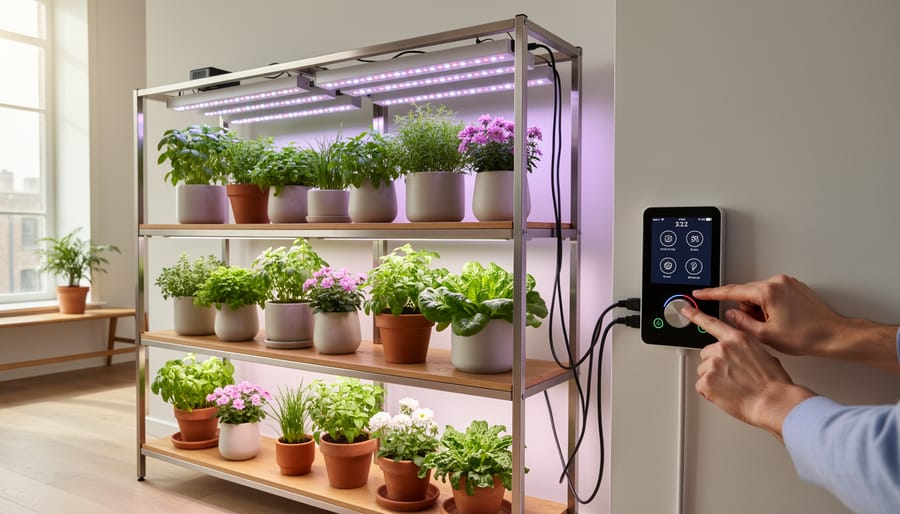
I learned this lesson the hard way when I squeezed a 30-pod tower system into my kitchen, thinking more pods meant more harvest. What I got instead was a chaotic tangle of overcrowded lettuce and herbs that never reached their full potential. Pod count matters, but it’s not everything.
If you’re primarily interested in growing mints and other herbs for daily cooking, a 6-12 pod system gives you plenty of variety without overwhelming your counter. I’ve found that three basil plants, two mint varieties, parsley, cilantro, and chives provide everything I need for most meals. Smaller systems like the AeroGarden Bounty with nine pods hit this sweet spot perfectly.
Vegetables are a different story. Tomatoes, peppers, and leafy greens need more space and multiple plants to feel worthwhile. A single cherry tomato plant produces beautifully in a 12-pod system, but you’ll want at least 20-30 pods if you’re serious about salad production or want to grow larger vegetables alongside your herbs.
The real question is whether you want variety or volume. I’ve had both a compact herb garden and a larger production system, and honestly, the herb garden gets used more. Six different fresh herbs beats twenty lettuce plants when you’re actually cooking.
Smart Features and App Control
I’ll be honest: I was skeptical about smart features when I first encountered them. My early AeroGarden had a simple timer and grow lights, and it worked brilliantly. When I upgraded to an app-connected system, I wondered if I’d paid extra for unnecessary bells and whistles.
Turns out, it depends entirely on your gardening style. Systems like the Gardyn Home 4.0 use cameras and AI to monitor plant health, automatically adjust lighting schedules, and send alerts when water runs low. For someone juggling a busy schedule, these features genuinely help. I’ve found the growth tracking particularly useful for learning which herbs thrive in my kitchen’s conditions.
But here’s what I’ve learned: app control isn’t the same as smart automation. Some systems simply let you turn lights on from your phone, which adds convenience but not intelligence. The valuable features are those that actually reduce decision-making, like automatic nutrient dosing or alerts when pH levels drift.
The subscription model on premium systems raises questions. The Gardyn requires ongoing payments for its full smart capabilities, which bothered me initially. After speaking with longtime users, I understood the trade-off: you’re paying for continuous software updates and expert support, not just hardware.
My perspective? If you enjoy the hands-on process of checking plants daily, manual systems offer everything you need. But if you want your garden to fit around your life rather than demanding attention, smart features earn their keep.
Types of Indoor Gardening Systems Compared
Countertop Hydroponic Gardens
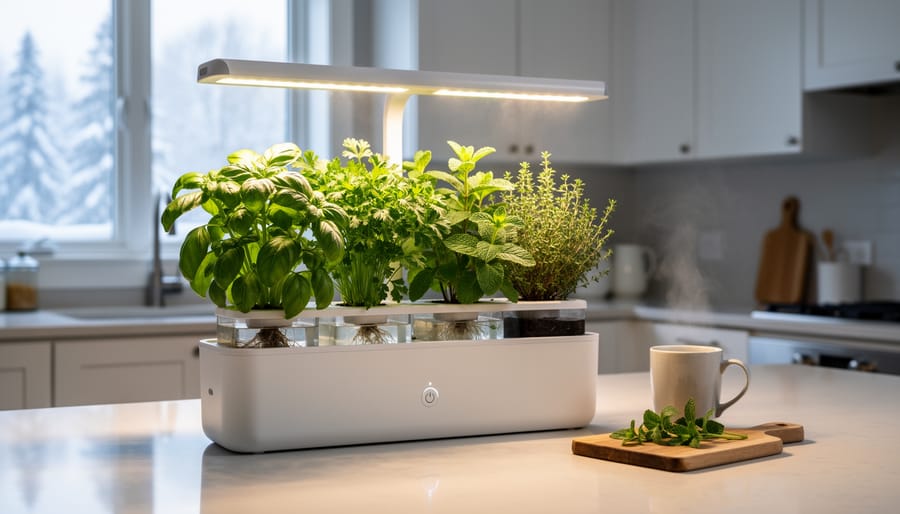
When I decided to bring fresh basil into my January kitchen, I started exactly where most people do: with a countertop hydroponic garden. These compact systems sit happily beside your kettle, taking up roughly the same footprint as a coffee maker whilst growing real food. I began with an AeroGarden Bounty, currently around £177, which felt like proper container gardening shrunk down to work-surface size.
The appeal is immediate. Most countertop gardens hold six to nine pods, perfect for a rotating selection of basil, parsley, cherry tomatoes and salad leaves. You fill the reservoir, pop in the pre-seeded pods, plug it in, and watch the built-in grow lights do their work. I harvested my first proper handful of rocket within three weeks.
But here’s what surprised me: the £34-50 budget options like the URUQ system work remarkably well if you’re experimenting or growing simple herbs. Yes, the AeroGarden has better lighting, quieter pumps and sturdier construction. Whether that justifies the price difference depends entirely on how committed you are. I’ve seen friends produce lovely basil crops from basic systems, though they required more fiddling with water levels and occasionally supplemented with windowsill light on grey days.
Vertical Tower Systems
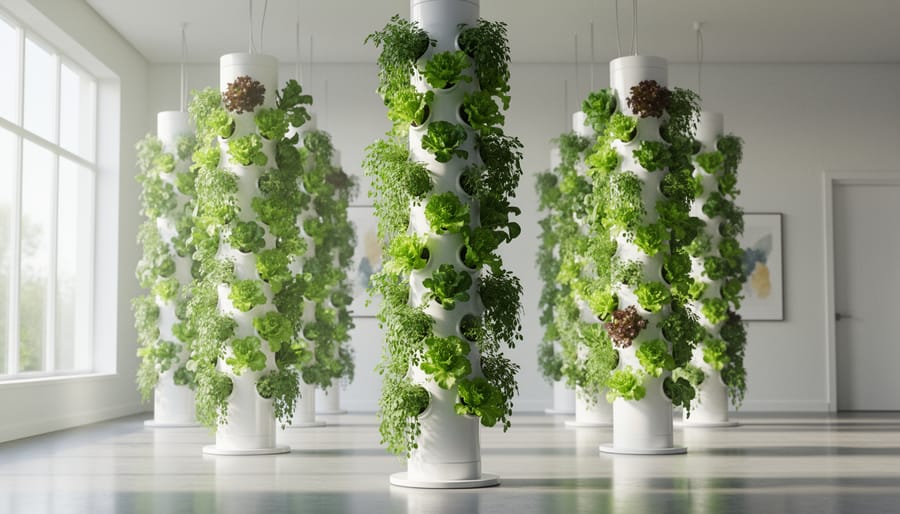
I’ll never forget the moment I installed my first tower garden in the kitchen corner I’d written off as “dead space.” The Just Vertical EVE transformed that awkward 2×2-foot area into a 51-pod vertical farm that became an instant conversation starter. My partner walked in, stopped mid-sentence, and just stared. These towers aren’t subtle, they’re sculptural centrepieces that happen to grow food.
Tower systems solve the indoor gardener’s eternal dilemma: how to grow serious quantities without surrendering your entire kitchen. The EVE, priced at $599, climbs vertically rather than sprawling horizontally, whilst the Lettuce Grow Farmstand (currently $459 with a 20% discount) offers a similarly elegant footprint with its modular design. I’ve watched both produce shocking volumes, enough salad greens to actually skip the supermarket for weeks, not just garnish a single meal.
The trade-off is visual commitment. These aren’t discreet countertop gadgets you tuck behind the kettle. They’re furniture-scale installations that demand decent ceiling height and a willingness to let your garden become a design feature. I’ve made peace with that. When dinner guests ask about the glowing tower, I hand them scissors and invite them to harvest their own salad.
If you’re ready to grow beyond dabbling and can spare the floor space, towers deliver remarkable value per square foot.
Premium Smart Gardens with Subscriptions
I’ll be honest, the first time I saw the Gardyn Home 4.0 priced at $899, I thought it was absurd. Who spends that much on an indoor garden? Then I spoke with a busy professional friend who swore by hers, and I started to understand the appeal of these premium smart gardens that promise to do the thinking for you.
The Gardyn represents the upper tier of indoor gardening supplies, where technology meets horticulture in systems designed for people who want results without the learning curve. Through its app, you get growth guidance, reminders, and supposedly personalised care instructions. The catch? You’ll need a subscription to unlock the full experience, which includes access to their seed pod varieties and support features.
After conversations with several Gardyn owners and a horticulture specialist who’s tested multiple systems, here’s what I’ve learned: these subscriptions work brilliantly for time-poor individuals who’d otherwise kill their plants. One friend described it as “the difference between owning a complicated DSLR camera and an iPhone, both take photos, but one requires much less from you.” The app notifications genuinely help establish routines, and the curated seed selection removes decision paralysis.
However, the subscription model isn’t for everyone. If you enjoy the learning process or already understand plant care, you’re essentially paying for handholding you don’t need. Several experienced gardeners I know resent the ongoing cost, feeling locked into purchasing proprietary pods rather than experimenting freely. The value equation really depends on whether convenience or autonomy matters more to your gardening journey.
Specialty and Niche Systems
I’ve become fascinated by niche indoor gardening systems that do one thing brilliantly rather than attempting everything. The Auk Mini, at $259, perfectly exemplifies this philosophy. It’s designed specifically for herb enthusiasts who want three or four varieties growing beautifully without the complexity of larger multi-crop systems. I spoke with a chef friend who swapped her countertop hydroponic garden for an Auk Mini because she only ever grew basil, mint, and parsley anyway, why pay for twenty-pod capacity she’d never use?
Specialized systems make sense when you’ve identified exactly what you want to grow and don’t need versatility. A dedicated herb garden typically offers better light positioning for compact plants, while systems designed specifically for microgreens optimize for rapid harvest cycles. The appeal goes beyond function, though. There’s something deeply satisfying about a tool crafted for a singular purpose, like a Japanese chef’s knife compared to a multi-tool. My kitchen herb garden isn’t just functional, it’s a daily reminder that sometimes less really is more, especially when that “less” performs flawlessly at what you actually need it to do.
My Recommendations for Different Gardening Goals
If You’re Just Starting Out
When my friend Sarah mentioned she wanted to try indoor gardening last year, I steered her straight toward the AeroGarden Bounty, and she’s been harvesting fresh basil and parsley ever since. The Bounty hits a sweet spot for beginners: it’s genuinely plug-and-play, with built-in LED lights and automatic watering that takes the guesswork out of herb gardening basics. At £177, it’s not the cheapest option, but the upfront clarity, no hidden subscription fees, no complicated app setup, makes it worth the investment when you’re finding your feet.
That said, if you’re genuinely testing the waters, the budget-friendly URUQ 8-pod system at around £34 offers surprising value. I’ve seen these work well for first-timers who aren’t ready to commit serious money. The trade-off is more manual attention and a shorter lifespan, but it’s enough to discover whether you’ll actually use an indoor garden or if it’ll gather dust. Start simple, learn what you enjoy growing, then upgrade if the hobby sticks.
If You Want Maximum Production
When I decided I wanted to harvest more than a handful of basil leaves at a time, I knew I needed to think bigger. Maximum production means investing in systems designed for serious yield, and accepting that they come with higher upfront costs and ongoing commitments.
The Gardyn Home 4.0 (£899) represents the premium end of production-focused systems. It holds up to 30 plants and uses app-controlled automation to manage everything from lighting to nutrient delivery. The catch? It requires a subscription for seed pods and support, which adds recurring costs. I’ve spoken with Gardyn owners who rave about the hands-off experience and impressive harvests, but they’re clear that you’re committing to an ecosystem, not just buying equipment.
The Just Vertical EVE (£599) offers a middle ground, 60 plant capacity in a vertical tower without subscription lock-in. It demands more hands-on management than Gardyn, but you control your inputs and costs. A friend runs one in her kitchen and consistently harvests enough lettuce and herbs for her family of four.
Be realistic: even large systems won’t replace your entire grocery bill. What they will do is provide a steady supply of fresh greens and herbs year-round. If you’re genuinely committed to indoor growing as a regular practice rather than an experiment, these investments make sense.
If Space and Style Matter Most
I’ll be honest: when I first considered the Lettuce Grow Farmstand, I hesitated because it felt indulgent to prioritise appearance. Then I placed one in my kitchen, and I understood. This isn’t vanity, when a hydroponic tower becomes a permanent fixture in your main living space, it needs to earn its spot visually.
The Farmstand ($574, currently 20% off at $459 for the small outdoor model) genuinely looks like intentional home décor rather than a gardening experiment that escaped the shed. The white frame and neat rows of greens read as modern and sculptural. My partner, who’d tolerated my previous gardening projects with polite indifference, actually complimented it. That matters when you’re asking for prime kitchen real estate.
Beyond aesthetics, it’s a serious production system, the vertical design maximises growing capacity without sprawling across countertops. I’ve grown lettuce, kale, and herbs simultaneously, enough to genuinely reduce our grocery trips. But let’s be clear: you’re paying for the design alongside the function. If appearance doesn’t factor into your decision, the Just Vertical EVE ($599) offers similar vertical growing at a comparable price with less focus on showpiece appeal.
For me, though, a garden I’m proud to display became a garden I actually used daily. Style isn’t frivolous when it determines whether your indoor gardening supplies become a beloved kitchen centrepiece or clutter you hide when guests arrive.
Common Mistakes to Avoid When Buying Indoor Gardening Supplies
I’ll be honest, I’ve made almost every rookie mistake in the book when it comes to indoor gardening supplies, and I’ve watched friends do the same. The most common error? Buying a system that’s far too ambitious for your actual commitment level. I once convinced myself I’d maintain a 30-pod tower garden while working full-time, and it became a guilt-inducing monument to my overconfidence within three weeks.
Underestimating space is another classic blunder. That sleek countertop garden looks compact in photos, but when you add the height needed for tall plants and account for the light spread, you might find it doesn’t actually fit under your kitchen cabinets or blocks access to outlets you need for other appliances. I learned this the hard way with my first AeroGarden, which required me to rearrange my entire counter setup.
The subscription trap catches many newcomers off guard. Some premium systems advertise incredible features, but those features depend on monthly payments that weren’t immediately obvious at purchase. Calculate the three-year total cost, not just the upfront price.
Overbuying is tempting when you’re excited about a new hobby. I’ve seen people invest in $600 systems when a $177 AeroGarden Bounty would’ve been the smarter starting point to test their interest. You can always upgrade later, but you can’t get back the money spent on an expensive system gathering dust.
Finally, don’t ignore ongoing costs. Those replacement seed pods, nutrient refills, and electricity add up. A system with cheap pods from multiple suppliers gives you flexibility, while proprietary pods from a single source can become surprisingly expensive over time. The $34 URUQ might look like a bargain until you discover replacement parts cost nearly as much as buying a new unit.
What You’ll Actually Need Beyond the System
I learned this lesson the hard way when my first AeroGarden arrived and I excitedly set it up, only to realise two months later that I needed replacement seed pods and nutrients that cost nearly as much as some budget systems. The sticker price of your indoor garden is just the beginning.
Most hydroponic systems need replacement seed pods or growing medium every few months, depending on what you’re cultivating. These typically run £15-30 per set, and some premium systems like the Gardyn lock you into proprietary pods that you can’t substitute with generic options. I now budget about £10-15 monthly for supplies, which feels reasonable given the cost of shop-bought herbs.
Here’s what I actually keep on hand beyond the system itself:
- Replacement seed pods or growing medium (buy two sets when starting so you’re never caught short)
- Backup nutrient solution (the small bottles systems include run out faster than you’d think)
- Basic pruning scissors or herb snips (kitchen scissors work, but dedicated pruning shears make cleaner cuts)
- Power strip with timer for non-smart systems (gives you control over light cycles without manual switching)
- Soft cleaning cloths and white vinegar solution (mineral buildup is real, especially in hard water areas)
For serious growers, pH testing strips prove worthwhile, though most beginners won’t need them unless you notice stunted growth. I waited six months before buying a pH meter, and honestly, the £12 investment solved mysterious yellowing leaves that had frustrated me for weeks.
What surprised me most was learning that some of the same watering tips from outdoor gardening apply indoors, particularly around humidity and air circulation. If you group pots of traditional soil plants near your hydroponic system, you’ll create a microclimate that benefits both.
The smart move? Buy your first replacement supplies with the system rather than waiting until you’ve run out. Nothing kills the joy of indoor gardening faster than having thriving plants but no way to start new ones when harvest time arrives.
What to Look For
When you’re standing in front of a wall of indoor garden options, or scrolling through endless listings, focus on these decision factors that will actually affect your daily experience.
System reliability matters more than feature count. I’ve learned this the hard way. A garden that grows lettuce consistently beats one that promises twelve crops but delivers patchy results. Look for systems with established track records and genuine user reviews, not just marketing claims. The AeroGarden Bounty succeeds because it’s been refined over years, not because it’s the newest thing.
Consider your actual commitment level, not your aspirational one. If you check your phone twice daily, an app-connected system makes sense. If you’re more hands-off, choose something that forgives a few days of neglect. The Gardyn Home 4.0 succeeds with busy people partly because its subscription model includes expert monitoring, that’s worth paying for if it matches your lifestyle.
Pod capacity should align with consumption, not enthusiasm. Eight pods sounds modest until you’re drowning in basil. I once ran a twelve-pod system and couldn’t harvest fast enough. Start smaller than you think you need.
Physical footprint includes growth height. Tower systems like the Just Vertical EVE are narrow but tall, measure your vertical clearance. Countertop units need less height but claim precious counter space permanently.
Upfront cost plus one year of operation tells the real story. Factor in replacement pods, nutrients, and electricity. That £34 starter system might cost £150 annually in supplies, while a £600 premium system with included nutrients could prove cheaper long-term.
Questions to Ask Before You Buy
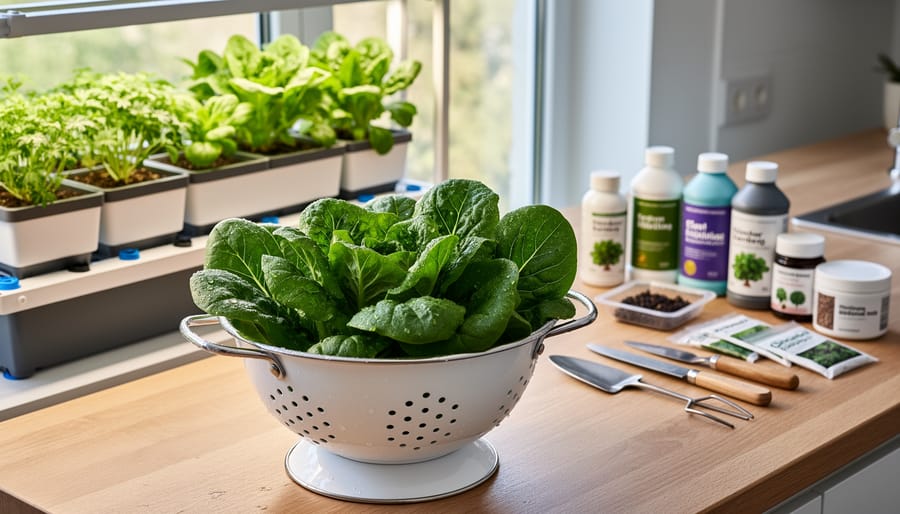
I’ve lost count of the number of times readers have emailed asking variations of the same questions before taking the plunge with their first indoor garden. Last month alone, three different Great Gardens UK community members reached out worried about hidden costs and time commitments. Here are the questions that come up most often, with honest answers based on what I’ve learned through trial, error, and conversations with dozens of indoor gardeners.
How much do indoor gardens actually cost to run monthly?
Electricity typically adds £3-8 per month depending on system size and LED efficiency, while replacement seed pods and nutrients run £10-25 monthly if you’re actively growing. The Gardyn subscription at $10/month covers some supplies but not electricity.
Can I grow vegetables or just herbs?
Most systems handle herbs beautifully, and many support cherry tomatoes, peppers, and salad greens successfully. Larger vegetables like full-size tomatoes need tower systems with substantial pod capacity and height clearance.
Do I need a subscription service?
Only the Gardyn requires a subscription for its full smart features and expert support. Systems like the AeroGarden Bounty and Lettuce Grow Farmstand work perfectly without any ongoing subscription, though you’ll buy replacement supplies as needed.
Will it really work if I’ve killed houseplants before?
Yes, genuinely. Hydroponic systems automate the watering and feeding that kills most houseplants, and the built-in grow lights eliminate the light-placement guesswork entirely.
The maintenance question deserves more detail because “low-maintenance” means different things to different people. With my AeroGarden, I spend about five minutes weekly checking water levels and topping up nutrients, plus another ten minutes monthly cleaning the pump filter and trimming aggressive growers like basil. That’s genuinely it. Compare that to soil gardening where I’m watering, checking for pests, and worrying about drainage constantly.
Pump noise worried me before I bought my first system. The reality? Modern units are remarkably quiet. I run my countertop garden in an open-plan kitchen and barely notice the gentle hum unless the room is completely silent. Tower systems tend to be slightly louder during watering cycles, but we’re talking about the volume of a running refrigerator, not a dishwasher.
As for using your own seeds, this depends entirely on the system. Budget units with basic grow baskets often accept seeds you’ve germinated yourself in rockwool or sponges. Proprietary pod systems like AeroGarden technically want you buying their branded pods, though plenty of gardeners have successfully hacked alternatives using coffee filters and seeds from the garden centre. The Gardyn absolutely requires their pods because of how the app tracks growth and adjusts conditions. I’d suggest starting with the system’s recommended supplies for your first harvest, then experimenting once you understand how everything works. The learning curve is gentler when you’re not troubleshooting both the system and DIY modifications simultaneously.
Last January, I was making dinner when I realized I’d run out of fresh basil. Rather than abandon my pasta sauce, I simply snipped a handful from the tower garden humming quietly in the corner of my kitchen. That small moment, harvesting aromatic herbs in the dead of winter, captured everything I love about indoor gardening supplies. They’ve genuinely democratized year-round growing, turning what was once a niche hobby into something accessible for anyone with a sunny windowsill or spare countertop.
The options available in 2026 mean there’s truly a perfect system for every space, budget, and commitment level. Whether you’re drawn to the straightforward AeroGarden Bounty at £177 or ready to invest in the app-connected sophistication of the Gardyn Home 4.0 at £899, you’ll find equipment that matches where you are in your gardening journey. I’ve watched friends transform from “I kill every plant” skeptics to confident growers simply because they chose systems aligned with their lifestyles.
What I’ve learned through trial, error, and countless conversations with fellow indoor gardeners is that success comes from honest self-assessment. Pick the system that fits your actual space and time, not your aspirational version of yourself. Start smaller than you think you need. Focus on what you’ll genuinely use rather than maximum capacity.
I’d love to hear about your indoor gardening experiences. What system are you considering? What challenges have you faced with your current setup? The Great Gardens UK community thrives on these shared stories, and your questions often help others navigate similar decisions. Drop a comment below, let’s keep the conversation growing alongside our basil.